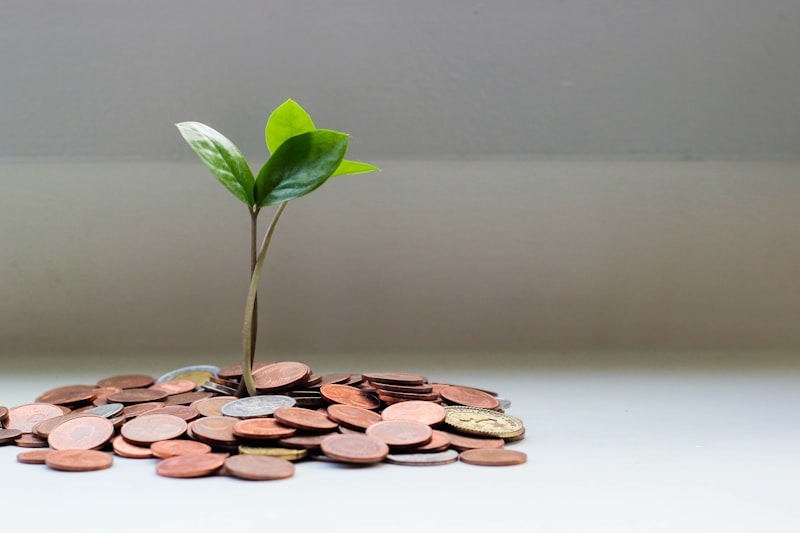
Budget Planning Tips
Successful budget travel begins months before departure with careful planning and realistic goal-setting. The foundation of affordable travel lies in understanding that budget constraints don't limit experiences—they simply require different approaches to achieving the same adventures. Smart budget travelers often enjoy richer, more authentic experiences than luxury tourists because financial limitations encourage deeper local engagement and creative problem-solving.
Start by establishing a realistic total budget that includes all expenses: transportation, accommodation, food, activities, insurance, and emergency funds. A common mistake is budgeting only for major expenses while underestimating daily costs like meals, local transportation, and incidental purchases. Research your destination's cost of living thoroughly, using resources like Numbeo, local travel blogs, and recent traveler reports to create accurate daily spending estimates.
Flexibility with dates and destinations dramatically impacts budget travel success. Being open to alternative destinations, shoulder season travel, and mid-week departures can reduce costs by 50% or more. Consider creating a list of dream destinations ranked by cost and season, allowing you to choose based on current deals and personal financial situation rather than fixed plans that might exceed your budget.
Saving on Accommodation, Food, and Transport
Flight Booking Strategies
Airfare typically represents the largest single expense in any travel budget, making flight booking strategy crucial for budget success. The key to finding cheap flights lies in flexibility, timing, and understanding airline pricing patterns. Use flight comparison websites like Skyscanner, Momondo, and Google Flights to identify the cheapest travel dates, but always book directly with airlines to avoid third-party booking fees and complications.
The "Tuesday afternoon" flight booking myth has been largely debunked, but certain patterns remain consistent. Booking 6-8 weeks in advance for domestic flights and 2-3 months for international travel typically yields the best prices. However, last-minute deals can offer exceptional value for flexible travelers willing to depart within days or weeks. Set up price alerts for your desired routes and be prepared to book immediately when prices drop.
Consider alternative airports, indirect routes, and budget airlines to reduce costs significantly. Flying into secondary airports often saves hundreds of dollars, even accounting for additional ground transportation costs. Budget airlines like Ryanair, Southwest, and AirAsia offer substantial savings but require careful attention to baggage policies, seat selection fees, and additional charges that can quickly erode savings if not managed properly.
Ground Transportation Alternatives
Once you reach your destination, local transportation choices significantly impact your daily budget. Public transportation almost always offers the best value, providing authentic local experiences while saving money. Research transportation passes and tourist cards that include public transit, as these often provide additional discounts on attractions and restaurants.
For longer distances, buses and trains frequently cost less than flights while offering scenic routes and cultural experiences impossible from 30,000 feet. Overnight buses and trains eliminate accommodation costs while covering ground, effectively providing free lodging during travel days. Book these options in advance for better prices and seat selection, especially during peak travel seasons.
Walking and cycling not only save money but often provide the best way to explore destinations authentically. Many cities offer bike-sharing programs or affordable rental options that cost less than daily public transportation passes. Walking tours, often free or tip-based, combine transportation with education and social interaction, maximizing value while minimizing costs.
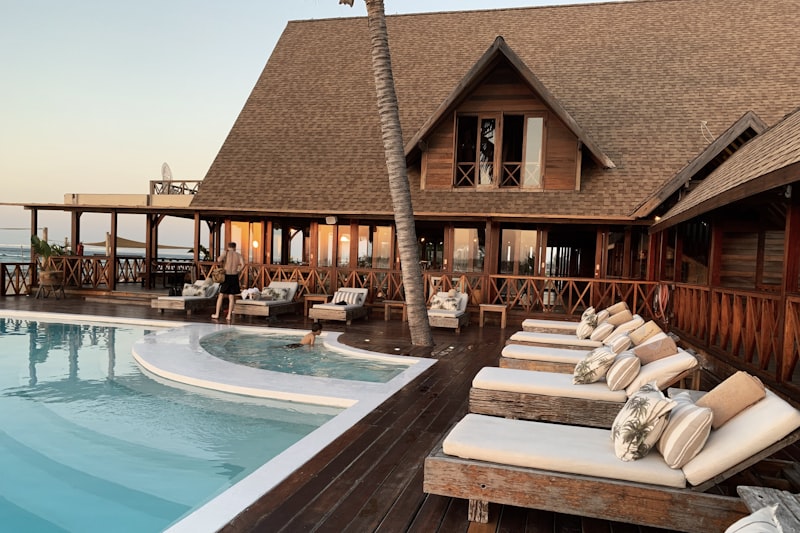
Accommodation Strategies
Hostel Mastery and Alternative Lodging
Hostels remain the backbone of budget accommodation, but success requires understanding how to choose quality options and maximize the experience. Read recent reviews carefully, focusing on cleanliness, security, location, and social atmosphere rather than just price. The cheapest hostel isn't always the best value if it's poorly located, unsafe, or lacks basic amenities that force additional expenses.
Book hostel beds in advance during peak seasons, but consider arriving without reservations during off-peak periods when walk-in rates might be negotiable. Many hostels offer discounts for longer stays, making them economical for extended visits. Take advantage of hostel amenities like kitchens, laundry facilities, and social areas to reduce daily expenses while meeting fellow travelers.
Alternative accommodation options have expanded dramatically with platforms like Airbnb, Couchsurfing, and house-sitting websites. Couchsurfing provides free accommodation while offering authentic local experiences and cultural exchange. House-sitting combines free accommodation with unique experiences caring for pets or properties, though it requires advance planning and references.
Location vs. Price Balance
Accommodation location significantly impacts your overall budget through transportation costs, meal expenses, and time efficiency. Staying slightly outside city centers often provides substantial savings while maintaining reasonable access to attractions. Research public transportation connections carefully, as excellent transit links can make distant accommodations more convenient than expensive central locations with poor connectivity.
Consider neighborhood character when choosing budget accommodation, as some areas offer rich local experiences that enhance your trip beyond mere cost savings. Staying in residential neighborhoods provides authentic cultural immersion while typically offering better value than tourist-focused areas. Local markets, affordable restaurants, and genuine cultural experiences often cluster in these areas.
Food Savings
Street Food and Local Markets
Food expenses can quickly consume travel budgets, but eating well on a budget is entirely possible with the right strategies. Street food and local markets offer the best combination of authentic flavors, cultural experiences, and affordable prices. These venues provide insights into local culinary traditions while costing a fraction of restaurant prices.
Research local food safety practices and choose busy stalls with high turnover, as popular vendors typically maintain better hygiene and fresher ingredients. Don't be afraid to ask locals for recommendations—they know which stalls offer the best value and authentic flavors. Learning basic food-related phrases in the local language enhances interactions and sometimes results in better prices or extra portions.
Visit local markets early in the morning for the freshest produce and best selection, or late in the day when vendors offer discounts on remaining items. Many markets have small eateries or food stalls that serve inexpensive, authentic meals to local workers and shoppers. These hidden gems often provide the most memorable and affordable dining experiences.
Self-Catering and Cooking Strategies
Accommodation with kitchen facilities dramatically reduces food costs while providing flexibility and dietary control. Shopping at local supermarkets and cooking simple meals can cut food expenses by 70% or more compared to restaurant dining. This approach also allows you to try local ingredients and cooking techniques while maintaining familiar flavors when needed.
Pack essential cooking tools like a sharp knife, cutting board, and basic spices to enhance your culinary capabilities. Many hostels and guesthouses provide basic cookware, but having your own tools ensures better meal preparation. Consider portable camping cookware if you plan extensive self-catering during your travels.
Balance self-catering with local dining experiences by cooking breakfast and lunch while splurging on dinner at local restaurants. This strategy provides cultural culinary experiences while maintaining budget control. Use cooking as a social activity in hostel kitchens, sharing meals and recipes with fellow travelers to enhance the social aspect of budget travel.
Free Attractions and Activities
Cultural Immersion Without Cost
The best travel experiences often cost nothing but time and curiosity. Free walking tours, available in most major cities, provide excellent introductions to local history, culture, and geography while operating on a tip-based system that allows you to pay according to your budget and satisfaction level. These tours often reveal hidden gems and local insights impossible to discover independently.
Museums and cultural sites frequently offer free admission days or reduced-price hours for budget-conscious visitors. Research these opportunities in advance and plan your itinerary accordingly. Many cities provide tourist cards that include free or discounted admission to multiple attractions, often paying for themselves with just two or three visits.
Religious sites, public parks, and architectural landmarks typically offer free access while providing rich cultural and historical experiences. Attend local festivals, markets, and community events for authentic cultural immersion without admission fees. These experiences often provide deeper cultural understanding than expensive tourist attractions.
Nature and Outdoor Adventures
Natural attractions often provide the most spectacular experiences at the lowest costs. Hiking trails, beaches, public parks, and scenic viewpoints typically require no admission fees while offering unlimited exploration opportunities. Research local hiking groups or outdoor clubs that welcome visitors, providing social interaction and local knowledge while sharing transportation costs.
Many destinations offer free outdoor activities like swimming, hiking, cycling, and wildlife watching that provide memorable experiences without straining budgets. Pack appropriate gear for outdoor activities to avoid expensive equipment rentals, and always prioritize safety over cost savings when planning outdoor adventures.
Money Management
Banking and Currency Strategies
Banking fees and currency exchange costs can significantly impact travel budgets if not managed properly. Research your bank's international policies before traveling, and consider opening accounts with banks that offer fee-free international transactions. Notify your bank of travel plans to avoid card blocks that could leave you stranded without access to funds.
Use ATMs affiliated with major banks for the best exchange rates, and withdraw larger amounts less frequently to minimize transaction fees. Avoid currency exchange booths in tourist areas, which typically offer poor rates and high fees. Credit cards often provide better exchange rates than cash exchanges, but be aware of foreign transaction fees that can add 2-3% to every purchase.
Carry backup payment methods including multiple cards and some cash in major currencies like US dollars or euros. Keep these in separate locations to ensure access to funds if one method fails. Consider prepaid travel cards for budget control, though they often come with fees that reduce their value for experienced travelers.
Daily Spending Tracking
Successful budget travel requires diligent expense tracking to avoid overspending and identify areas for improvement. Use smartphone apps or simple notebooks to record all expenses daily, categorizing spending to identify patterns and opportunities for savings. This practice helps maintain budget discipline while providing valuable data for future trip planning.
Set daily spending limits for different categories (food, transportation, activities) and stick to them religiously. If you overspend in one category, compensate by reducing expenses in others rather than abandoning your budget entirely. This flexibility prevents minor overspending from derailing your entire financial plan.
Conclusion
Budget travel opens up a world of possibilities for exploring destinations and cultures that might otherwise seem financially out of reach. The strategies outlined in this guide—from finding affordable accommodations and transportation to eating well on a budget and discovering free activities—demonstrate that memorable travel experiences don't require expensive price tags. Smart planning, flexibility, and local knowledge often provide more authentic and rewarding experiences than luxury alternatives.
The key to successful budget travel lies in prioritizing experiences over amenities, embracing local culture, and maintaining flexibility in your plans. By focusing on what truly matters to you and making informed choices about where to spend and where to save, you can create incredible travel memories while staying within your financial means. Budget travel often leads to more meaningful connections with local communities and fellow travelers who share similar values and approaches to exploration.
Ready to start planning your next budget adventure? Explore our guides to affordable destinations, money-saving travel tips, and budget-friendly activities that will help you make the most of every dollar while discovering amazing places around the world. Remember, the best travel experiences often come from stepping outside your comfort zone and embracing the unexpected opportunities that budget travel provides.
Budget travel represents far more than simply spending less money—it embodies a philosophy of resourcefulness, creativity, and authentic cultural engagement that often produces richer experiences than luxury travel. The constraints of limited budgets force travelers to engage more deeply with local communities, discover hidden gems overlooked by mainstream tourism, and develop problem-solving skills that enhance both travel experiences and personal growth.
Ready to explore specific budget destinations? Check out our guides to affordable travel in Southeast Asia, Eastern Europe, and Central America, where your budget stretches furthest while providing unforgettable experiences. Budget travel opens doors to adventures that luxury travel cannot provide, creating memories and skills that last a lifetime.