
Travel Safety Principles
Travel safety begins with understanding that personal security is your primary responsibility, regardless of destination or travel style. While the vast majority of travel experiences are safe and positive, developing comprehensive security awareness and implementing proven safety protocols can prevent most travel-related problems while ensuring you're prepared to handle unexpected situations effectively and confidently.
The foundation of effective travel safety rests on three core principles that work together to create comprehensive protection: thorough preparation, constant situational awareness, and flexible adaptability. Preparation involves researching destinations extensively, understanding local risks and cultural norms, developing detailed contingency plans, and ensuring you have appropriate insurance coverage and emergency contacts readily available.
Situational awareness means staying alert to your surroundings at all times, trusting your instincts when something feels wrong or unusual, recognizing potential threats before they develop, and maintaining awareness of local conditions that might affect your safety. Adaptability requires adjusting your behavior, plans, and expectations based on changing circumstances, local conditions, and new information that emerges during your travels.
Effective travel safety isn't about paranoia, excessive caution, or avoiding adventure—it's about making informed decisions that allow you to explore confidently while minimizing unnecessary risks and maximizing your ability to respond appropriately to challenges. The goal is developing habits and strategies that become second nature, enabling you to focus on enjoying your travels while maintaining appropriate levels of caution and preparedness for various scenarios.
Anti-Theft and Scam Prevention Techniques
Protecting Your Valuables and Personal Belongings
Theft represents the most common security threat facing travelers worldwide, but most incidents can be prevented through proper precautions, strategic planning, and maintaining awareness of common theft techniques used specifically in tourist areas. The key to protection lies in making yourself a less attractive target by avoiding obvious displays of wealth, securing your belongings using multiple methods, and maintaining constant awareness of your surroundings and potential threats.
Distribute your valuables strategically across multiple locations rather than keeping everything in one easily accessible place. Use a combination of hidden money belts worn under clothing, hotel room safes, secure pockets with zippers or buttons, and backup storage locations to ensure that losing one item doesn't compromise your entire trip or leave you stranded without resources.
Invest in quality security equipment including TSA-approved locks for luggage, RFID-blocking wallets to prevent electronic pickpocketing of credit cards, slash-resistant bags with reinforced straps for high-risk areas, and portable door alarms for accommodation security. However, remember that no security device is completely foolproof—your behavior, awareness, and decision-making remain your most important protection against theft and other security threats.
Recognizing and Avoiding Common Tourist Scams
Tourist-targeted scams vary significantly by region and culture but follow predictable patterns that can be recognized and avoided with proper knowledge and preparation. Common schemes include sophisticated distraction techniques where accomplices create diversions while others steal belongings, fake police or authority figures demanding documents or imposing fines, overcharging scams in restaurants and shops, and elaborate confidence tricks designed to separate tourists from their money.
The "helpful stranger" scam involves someone offering unsolicited assistance with directions, recommendations, or carrying luggage, often leading to theft, overpriced services, or elaborate setups for larger scams. ATM skimming devices capture card information and PIN numbers, while fake Wi-Fi networks in tourist areas can steal personal data, passwords, and financial information from unsuspecting travelers.
Protect yourself by researching common scams specific to your destination before arrival, maintaining healthy skepticism toward unsolicited offers of help or deals that seem too good to be true, and verifying official requests through independent sources rather than trusting people who approach you. When in doubt, politely decline assistance and seek help from official sources like tourist information centers, your accommodation, or legitimate businesses.
recommendations, or carrying luggage, often leading to theft or overpriced services. ATM skimming devices capture card information and PIN numbers, while fake Wi-Fi networks in tourist areas can steal personal data and passwords.Protect yourself by researching common scams specific to your destination, maintaining healthy skepticism toward unsolicited offers of help, and verifying official requests through independent sources. When in doubt, politely decline assistance and seek help from official sources like tourist information centers or your accommodation.
Accommodation and Transportation Security
Choose accommodations with good security reviews, proper lighting, and secure entry systems. Research the neighborhood safety reputation and proximity to public transportation or main tourist areas. Upon arrival, locate emergency exits, test door locks and windows, and use additional security measures like door wedges or portable alarms if staying in budget accommodations.
Transportation security varies significantly by mode and destination. Use official taxi services or reputable ride-sharing apps rather than accepting rides from strangers. On public transportation, remain alert during crowded conditions when pickpocketing is most common, and avoid displaying expensive electronics or large amounts of cash.
When using rental cars, park in well-lit, secure areas and never leave valuables visible inside the vehicle. Research local driving conditions and traffic laws, as unfamiliarity with local driving customs can create safety risks beyond simple traffic violations.
Emergency Situation Response Plans
Medical Emergency Preparedness and Response
Medical emergencies can occur anywhere and at any time, but being far from home adds significant complexity to accessing appropriate care, managing costs, and coordinating with family and insurance providers. Comprehensive travel insurance with extensive medical coverage is absolutely essential, but understanding policy limitations, exclusions, and claim procedures is equally important for ensuring you receive proper care when needed most.
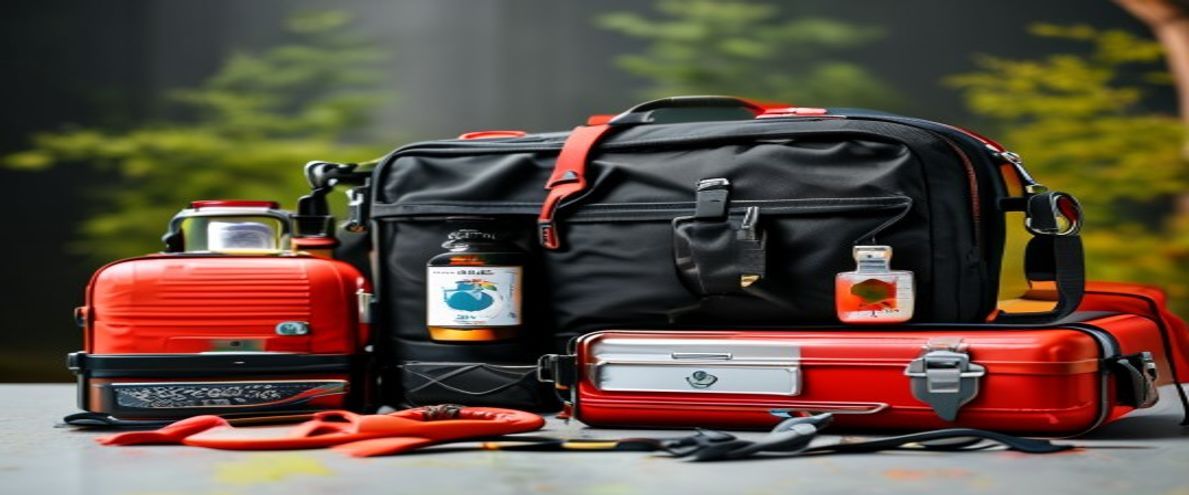
Prepare a comprehensive medical kit appropriate for your destination, planned activities, and personal health needs. Include prescription medications with extra supplies beyond your trip duration, basic first aid materials for treating minor injuries, and any specialized items like altitude sickness medication, antimalarial drugs, or emergency medications for chronic conditions. Carry a detailed medical information card listing allergies, chronic conditions, emergency contacts, and insurance information in both English and the local language.
Research medical facilities at your destination thoroughly, including hospital locations, quality of care standards, payment requirements, and procedures for accessing emergency services. Many countries require upfront payment for medical services regardless of insurance coverage, making travel insurance documentation and emergency funds crucial for accessing care. Consider registering with your embassy or consulate, which can provide valuable assistance during serious medical emergencies, including evacuation coordination and family communication.
Natural Disaster and Weather Emergency Planning
Climate change has significantly increased the frequency and intensity of extreme weather events worldwide, making weather-related emergency preparedness increasingly important for travelers visiting any destination. Research seasonal weather patterns, natural disaster risks, emergency procedures, and evacuation routes for your destination, including understanding local warning systems and emergency communication methods used by authorities.
Monitor weather forecasts and official warnings continuously throughout your trip, and be prepared to modify plans dramatically based on changing conditions and official recommendations. Download offline maps, emergency apps that function without internet connectivity, and local emergency contact information, as communication networks often fail during natural disasters when you need them most. Maintain emergency supplies including water, non-perishable food, flashlight, battery-powered radio, and basic medical supplies.
Understand your travel insurance coverage for weather-related trip interruptions, evacuations, and additional expenses, as policies vary significantly in their coverage of natural disasters and may exclude certain types of events or require specific timing of coverage purchase relative to weather warnings. Some policies provide "cancel for any reason" coverage that offers maximum flexibility during unpredictable weather situations.
Personal Security and Crime Response Strategies
Personal security threats vary significantly by destination, but developing universal response strategies helps you handle various situations confidently and effectively. If confronted by criminals demanding valuables, comply immediately and avoid resistance that could escalate the situation and result in physical harm. Your safety is always more important than any material possessions, which can be replaced through insurance claims and emergency assistance.
Report crimes to local police immediately, even if language barriers make communication difficult, as official police reports are required for insurance claims and embassy assistance. Contact your embassy or consulate for guidance on local procedures, assistance with replacing stolen documents, and support navigating local legal systems. Many embassies provide emergency services including temporary passports, emergency funds, and communication with family members.
Develop personal safety protocols including regular check-ins with family or friends, sharing detailed itineraries with trusted contacts, and establishing emergency communication procedures. Avoid predictable routines, vary your routes and schedules when possible, and trust your instincts about people and situations that feel uncomfortable or potentially dangerous. Remember that most travelers never experience serious security incidents, but preparation provides confidence and peace of mind.
Political Instability and Civil Unrest
Political situations can change rapidly, transforming safe destinations into high-risk areas with little warning. Monitor government travel advisories from your home country and destination country, but understand that official warnings often lag behind rapidly developing situations. Register with your embassy or consulate to receive security updates and assistance during emergencies.
Avoid political demonstrations, large gatherings, and areas with visible security presence, as situations can escalate quickly and unpredictably. Maintain low profiles by dressing conservatively, avoiding political discussions, and not displaying national symbols or flags that might identify you as a foreign national.
Develop evacuation plans including multiple routes to airports or border crossings, and maintain access to emergency funds that don't rely on local banking systems. Consider purchasing specialized travel insurance that covers political evacuation, as standard policies often exclude coverage for civil unrest or political instability.
Health and Wellness Safety
Food and Water Safety
Foodborne illnesses represent one of the most common health risks for travelers, but most can be prevented through careful food and water choices. The general rule "cook it, peel it, or forget it" remains valid, though understanding local food safety practices and making informed decisions based on specific circumstances is more practical than rigid adherence to overly cautious guidelines.
Choose restaurants with high turnover and visible food preparation areas, as fresh ingredients and proper cooking temperatures reduce contamination risks. Street food can be safe when prepared fresh and served hot, but avoid items that have been sitting at room temperature or reheated multiple times. Bottled water is safest in areas with questionable water quality, but ensure seals are intact and consider water purification tablets as backup.
Be particularly cautious with raw vegetables, unpeeled fruits, dairy products, and seafood in areas with limited refrigeration. Ice cubes and frozen drinks can harbor bacteria if made with contaminated water. Alcohol doesn't sterilize contaminated mixers, so stick to bottled beverages or drinks made with boiled water in high-risk areas.
Disease Prevention and Vaccination Planning
Consult travel medicine specialists 4-6 weeks before departure to discuss necessary vaccinations and preventive medications for your specific destinations and activities. Requirements vary based on your vaccination history, planned activities, season of travel, and current disease outbreaks in destination areas.
Common travel vaccinations include hepatitis A and B, typhoid, yellow fever, and Japanese encephalitis, depending on destination. Some countries require proof of yellow fever vaccination for entry, while others recommend it based on risk assessment. Malaria prevention may involve prophylactic medications, insect repellent, and protective clothing in affected areas.
Pack a comprehensive medical kit including any prescribed preventive medications, basic first aid supplies, and over-the-counter remedies for common travel ailments. Include thermometer, pain relievers, anti-diarrheal medication, antihistamines, and any personal prescription medications with extra supplies in case of travel delays.
Mental Health and Stress Management
Travel stress can impact decision-making abilities and increase vulnerability to safety risks. Culture shock, language barriers, navigation challenges, and disrupted routines can create anxiety and fatigue that affect judgment and situational awareness. Recognize signs of travel stress and implement coping strategies to maintain mental clarity and safety awareness.
Maintain regular sleep schedules when possible, as fatigue significantly increases accident risks and reduces ability to assess dangerous situations. Stay connected with support networks at home through regular communication, but balance connectivity with present-moment awareness of your surroundings.
Practice stress-reduction techniques like deep breathing, meditation, or light exercise to manage anxiety and maintain emotional equilibrium. Don't hesitate to modify plans or take rest days when feeling overwhelmed, as pushing through excessive stress can lead to poor decisions and increased safety risks.
Technology and Communication Safety
Digital Security and Privacy Protection
Digital security has become as important as physical security for modern travelers, as cyber threats can compromise personal information, financial accounts, and travel documents. Use VPN services when connecting to public Wi-Fi networks, which are common targets for hackers seeking to steal personal information and passwords.
Avoid accessing sensitive accounts like banking or email on public computers or unsecured networks. Enable two-factor authentication on important accounts before traveling, and consider using dedicated travel credit cards with lower limits to minimize financial exposure if compromised. Regularly backup important data and photos to cloud services or secure devices.
Be cautious about sharing travel plans and locations on social media, as this information can be used by criminals to target your home or track your movements. Consider posting updates after leaving locations rather than announcing your current whereabouts in real-time.
Emergency Communication Planning
Establish communication plans with family or friends at home, including regular check-in schedules and emergency contact procedures. Share detailed itineraries including accommodation information, transportation plans, and activity schedules with trusted contacts who can assist authorities if you become unreachable.
Research local emergency numbers and communication options at your destination, as systems vary significantly between countries. Download offline maps and translation apps that function without internet connectivity, and consider carrying backup communication devices like satellite messengers for remote area travel.
Maintain multiple communication methods including local SIM cards, international roaming plans, and internet-based calling services. Keep emergency contact information written down separately from electronic devices, as technology can fail when you need it most.
Regional Safety and Cultural Awareness
Cultural Sensitivity and Local Laws
Understanding and respecting local customs, laws, and social norms is crucial for both cultural sensitivity and personal safety. What's legal and acceptable in your home country may be illegal or offensive elsewhere, potentially leading to serious legal consequences or dangerous misunderstandings.
Research local laws regarding photography, particularly of government buildings, military installations, or religious sites. Some countries have strict regulations about photographing people, especially women or children, while others prohibit images of certain landmarks or infrastructure.
Dress codes vary significantly between cultures and can affect both safety and legal compliance. Conservative dress is required in many religious sites and some countries, while revealing clothing might be illegal or create unwanted attention that increases safety risks. Research appropriate attire for your destination and pack accordingly.
Gender-Specific Safety Considerations
Female travelers face additional safety considerations in many destinations, requiring specific strategies and precautions. Research cultural attitudes toward women, appropriate behavior and dress codes, and areas or activities that might pose increased risks for female travelers.
Consider joining female travel groups or connecting with other women travelers for shared activities and accommodation. Many destinations have women-only transportation options, accommodations, or tour groups that provide safer alternatives for solo female travelers.
Trust your instincts about uncomfortable situations and don't worry about appearing rude when removing yourself from potentially dangerous circumstances. Carry yourself confidently, avoid excessive alcohol consumption, and maintain awareness of your surroundings, particularly in crowded areas or at night.
LGBTQ+ Travel Safety
LGBTQ+ travelers face varying levels of acceptance and legal protection depending on destination, requiring careful research and planning for safe travel experiences. Some countries criminalize homosexuality or have strong cultural taboos that can create dangerous situations for LGBTQ+ travelers.
Research local laws, cultural attitudes, and LGBTQ+-friendly accommodations and venues before traveling. Connect with local LGBTQ+ communities or organizations that can provide current information about safe spaces and potential risks in specific areas.
Consider adjusting behavior and appearance based on local conditions, while balancing personal authenticity with safety requirements. This might involve avoiding public displays of affection, choosing accommodations carefully, or modifying social media profiles to reduce visibility in intolerant destinations.
Conclusion
Travel safety is ultimately about developing sound judgment, maintaining constant situational awareness, and implementing practical precautions that become habitual rather than burdensome aspects of your travel routine. The goal isn't to eliminate all risks—which is impossible—but to minimize unnecessary dangers while maintaining the sense of adventure and openness that makes travel rewarding and transformative. Remember that most travel experiences are safe and positive, but preparation and awareness provide essential protection when unexpected situations arise.
Different countries and regions present varying safety challenges that require adapted approaches and specific precautions. Research destination-specific risks including crime patterns, natural disaster possibilities, health concerns, and cultural considerations that affect personal safety. Maintain flexibility in your safety strategies, adjusting your behavior based on local conditions, current events, and changing circumstances that may affect security levels during your travels.
For comprehensive destination-specific safety information, explore our detailed country guides, regional security updates, and specialized safety resources for different types of travel including solo travel, adventure tourism, and business travel. Additional resources include travel insurance comparison guides, emergency preparedness checklists, and communication strategies for staying connected with family and emergency services while abroad.