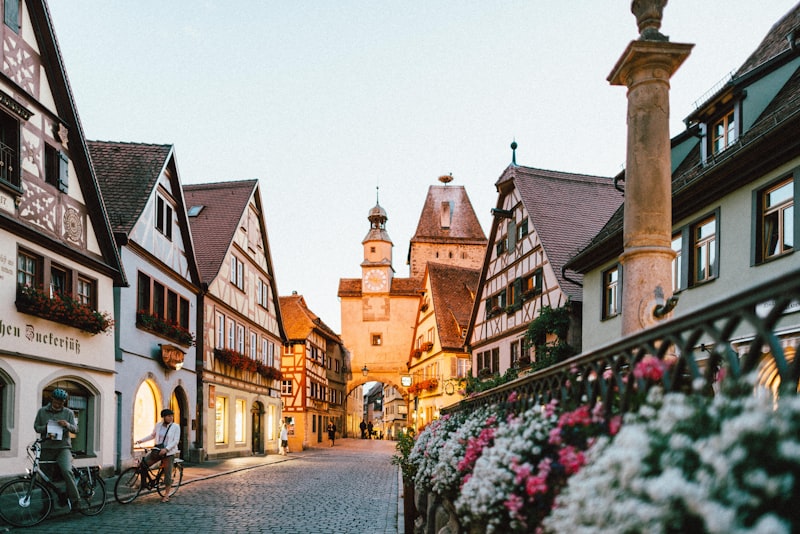
Architectural Evolution Through Historical Periods
Architecture serves as humanity's most enduring historical record, with buildings and structures telling the story of civilizations, cultural values, technological advances, and social transformations across millennia. Every architectural style reflects the historical context in which it emerged, from ancient religious beliefs and political systems to economic conditions and available materials that shaped how societies built their environments.
The evolution of architecture demonstrates humanity's continuous adaptation to changing needs, technologies, and cultural values while responding to historical events such as wars, religious movements, economic shifts, and social revolutions. These influences created distinct architectural periods and styles that remain visible today in cities worldwide, providing tangible connections to past civilizations and their worldviews.
Understanding how history shaped architecture enhances travel experiences by revealing the deeper meanings behind famous landmarks, urban layouts, and building styles that define destinations. This knowledge transforms simple sightseeing into cultural exploration, allowing travelers to read the historical narratives embedded in the built environment and appreciate the complex forces that created the architectural heritage we admire today.
Ancient Civilizations and Monumental Architecture
Ancient civilizations developed architectural traditions that reflected their religious beliefs, political structures, and technological capabilities while establishing foundational principles that continue influencing design today. Egyptian pyramids demonstrate the intersection of religious devotion, mathematical precision, and organizational power that characterized pharaonic society, while their massive scale and geometric perfection reflect beliefs about eternal life and divine authority.
Greek architecture introduced concepts of proportion, harmony, and democratic ideals through temple designs that emphasized human scale and mathematical relationships. The development of classical orders—Doric, Ionic, and Corinthian—created architectural languages that conveyed cultural values about beauty, order, and civic pride while establishing design principles that architects still reference today.
Roman architectural innovations, including the arch, dome, and concrete construction, reflected imperial ambitions and engineering prowess that enabled massive public works projects. Roman buildings like the Colosseum and Pantheon demonstrate how architecture served political propaganda while advancing construction techniques that made possible the infrastructure networks that sustained the empire.
Medieval Architecture and Religious Expression
Medieval architecture primarily served religious purposes, with Gothic cathedrals representing the pinnacle of spiritual and technological achievement during the Middle Ages. These soaring structures, with their pointed arches, flying buttresses, and vast windows, reflected theological concepts about reaching toward heaven while demonstrating the economic power and technical skill of medieval communities.
Islamic architecture developed distinctive features including geometric patterns, calligraphy, and courtyard designs that reflected religious principles while adapting to diverse climates and cultural contexts across the Islamic world. The prohibition against figurative art led to sophisticated geometric and botanical decorative systems that created visually stunning environments for worship and daily life.
Byzantine architecture combined Roman engineering with Christian symbolism, creating distinctive domed churches that reflected the fusion of imperial and religious authority in the Eastern Roman Empire. The Hagia Sophia exemplifies this synthesis, with its massive dome symbolizing the heavens while its interior mosaics depicted Christian theology through artistic magnificence.

Important Buildings and Their Historical Context
Renaissance Revival and Humanistic Architecture
Renaissance architecture marked a conscious return to classical principles while incorporating new humanistic values that emphasized individual achievement, scientific inquiry, and artistic innovation. This architectural revolution began in 15th-century Italy as architects like Brunelleschi and Alberti rediscovered Roman building techniques while developing new approaches to proportion, perspective, and spatial organization.
The period's architectural masterpieces, including St. Peter's Basilica and the palaces of Florence, reflect the era's confidence in human capability and the integration of art, science, and architecture. These buildings demonstrate how Renaissance architects balanced classical references with contemporary innovations, creating structures that celebrated both ancient wisdom and modern achievement.
Renaissance urban planning concepts, exemplified in ideal city designs and palace complexes, reflected new ideas about social organization, civic pride, and the relationship between architecture and political power. These planning principles influenced city development across Europe and later colonial territories, establishing urban design concepts that continue shaping cities today.
Baroque Drama and Counter-Reformation Architecture
Baroque architecture emerged in 17th-century Europe as a response to the Protestant Reformation, with the Catholic Church commissioning dramatic, emotionally engaging buildings designed to inspire religious devotion and demonstrate institutional power. This architectural style emphasized movement, light, and theatrical effects that created immersive spiritual experiences for worshippers.
Baroque palaces and public buildings reflected the absolute monarchies of the period, with elaborate facades, grand staircases, and opulent interiors that demonstrated royal power and cultural sophistication. Versailles exemplifies this approach, with its vast scale, formal gardens, and decorative excess serving as both residence and political theater for Louis XIV's court.
The spread of Baroque architecture to colonial territories demonstrates how European powers used architectural styles to assert cultural dominance while adapting to local conditions and materials. Colonial Baroque churches in Latin America, for example, combined European design principles with indigenous craftsmanship and decorative traditions, creating unique regional variations.
Industrial Revolution and Technological Innovation
The Industrial Revolution fundamentally transformed architecture through new materials, construction techniques, and building types that responded to urbanization, mass production, and changing social structures. Iron and steel construction enabled unprecedented building heights and spans while glass production advances created new possibilities for natural lighting and transparency.
Railway stations, factories, and exhibition halls became new architectural typologies that celebrated industrial progress while addressing practical needs for large, flexible spaces. The Crystal Palace in London exemplified this approach, using prefabricated iron and glass components to create a revolutionary structure that housed the Great Exhibition of 1851.
Industrial architecture also reflected changing social conditions, with company towns, worker housing, and public institutions addressing the needs of rapidly growing urban populations. These building types established new relationships between architecture and social welfare while demonstrating how design could address industrial society's challenges and opportunities.
Modern Movement and Social Reform
20th-century modern architecture emerged from desires to break with historical styles while addressing contemporary social needs through rational design, new materials, and mass production techniques. Architects like Le Corbusier, Mies van der Rohe, and Frank Lloyd Wright developed architectural languages that reflected modern life's speed, efficiency, and democratic ideals.
The Bauhaus school and similar movements promoted architecture as a tool for social reform, with designs that emphasized functionality, affordability, and accessibility over decorative tradition. This approach influenced public housing, schools, and civic buildings that aimed to improve living conditions while expressing progressive political values.
Modern architecture's international spread reflected globalization processes while adapting to local climates, cultures, and economic conditions. The style's emphasis on universal principles created recognizable architectural languages while allowing for regional variations that demonstrated modernism's flexibility and relevance across diverse contexts.
Recommended Architectural Sites and Tours
European Architectural Heritage Tours
Europe offers unparalleled opportunities to experience architectural history through well-preserved examples from every major period and style. Rome provides the ultimate architectural timeline, from ancient Roman structures like the Colosseum and Pantheon through medieval churches, Renaissance palaces, and Baroque fountains that demonstrate the continuous evolution of architectural styles within a single city.
Paris showcases architectural development from Gothic Notre-Dame through Haussmann's 19th-century urban planning to contemporary projects like the Centre Pompidou and Louvre Pyramid. The city's architectural layers reveal how different historical periods approached urban design, monumental architecture, and the relationship between old and new construction.
Florence serves as the Renaissance architecture capital, with buildings by Brunelleschi, Alberti, and Michelangelo that established architectural principles still taught today. The city's compact size allows visitors to experience the full range of Renaissance architectural innovation while understanding how these buildings functioned within their original urban context.
Asian Architectural Traditions and Innovations
Asian architecture offers distinct approaches to building design that reflect different philosophical, religious, and environmental influences than European traditions. Japanese architecture emphasizes harmony with nature, modular construction, and spatial flexibility through buildings like Kyoto's temples and traditional houses that demonstrate sophisticated relationships between interior and exterior spaces.
Chinese architecture showcases imperial grandeur through structures like the Forbidden City while demonstrating advanced engineering in projects like the Great Wall. These buildings reflect Confucian social hierarchies, feng shui principles, and construction techniques adapted to diverse climates and seismic conditions across China's vast territory.
Indian architecture combines Hindu, Islamic, and colonial influences in structures like the Taj Mahal, which demonstrates how architectural styles evolved through cultural exchange and political change. The subcontinent's architectural heritage reveals how different religious and cultural traditions created distinctive building types and decorative systems.
Islamic Architectural Masterpieces
Islamic architecture spans from Spain to Central Asia, demonstrating how religious principles and cultural traditions created distinctive architectural languages adapted to diverse climates and local building traditions. The Alhambra in Granada showcases Islamic Spain's architectural sophistication through intricate geometric patterns, water features, and spatial sequences that create contemplative environments.
Istanbul's mosques, particularly the Hagia Sophia and Blue Mosque, demonstrate how Islamic architecture adapted Byzantine traditions while developing distinctive features like minarets, courtyards, and calligraphic decoration. These buildings reveal how architectural styles evolved through cultural conquest and religious conversion.
Middle Eastern cities like Isfahan, Damascus, and Cairo preserve extensive Islamic architectural heritage that demonstrates regional variations in mosque design, urban planning, and decorative arts. These cities offer opportunities to experience Islamic architecture within its original cultural and urban contexts while understanding how historical events shaped architectural development.
Contemporary Architecture and Historical Context
Contemporary architecture continues responding to historical influences while addressing current challenges like sustainability, urbanization, and cultural identity. Cities like Dubai and Singapore showcase how modern architecture adapts to extreme climates while creating distinctive skylines that reflect economic ambitions and cultural values.
Architectural preservation and adaptive reuse projects demonstrate how contemporary designers work with historical buildings to create new functions while respecting original architectural intentions. Projects like London's Tate Modern and New York's High Line show how industrial heritage can be transformed into cultural spaces that honor historical significance while serving contemporary needs.
Museum architecture has become a particularly important contemporary building type, with structures like Bilbao's Guggenheim and Beijing's National Stadium demonstrating how landmark buildings can transform cities while creating new architectural languages that respond to globalization and cultural exchange.
Understanding Architecture as Historical Narrative
Architecture serves as humanity's most enduring historical record, with buildings and urban spaces preserving the stories of civilizations, cultural values, and technological achievements across millennia. Understanding how history shaped architecture transforms travel from simple sightseeing into cultural exploration that reveals the complex forces that created the built environments we experience today.
The architectural heritage visible in cities worldwide demonstrates how human societies have continuously adapted their building practices to reflect changing religious beliefs, political systems, economic conditions, and technological capabilities. These adaptations created the diverse architectural traditions that define different cultures while establishing universal principles about proportion, beauty, and spatial organization that transcend cultural boundaries.
Recognizing architecture's historical significance enhances appreciation for the craftsmanship, innovation, and cultural expression embedded in buildings from every era. Whether admiring ancient temples, medieval cathedrals, Renaissance palaces, or contemporary skyscrapers, understanding their historical contexts reveals the human stories behind these monumental achievements and their continuing influence on how we design and inhabit spaces.
The study of architectural history also illuminates how buildings reflect and shape social relationships, power structures, and cultural identities. Architecture doesn't simply shelter human activities—it expresses values, creates experiences, and influences behavior in ways that reveal fundamental aspects of human civilization and cultural development.
As you explore architectural heritage during your travels, remember that every building tells multiple stories about the people who designed, built, and used these spaces throughout history. The investment in understanding these narratives pays dividends in deeper cultural appreciation, enhanced travel experiences, and greater awareness of how the built environment continues shaping human experience in the contemporary world.
Ready to explore the world's architectural treasures with new understanding? Discover our comprehensive guides to cultural heritage sites, architectural tours, and historical destinations that help you read the stories embedded in the built environment. Your journey through architectural history awaits in cities and sites around the globe.