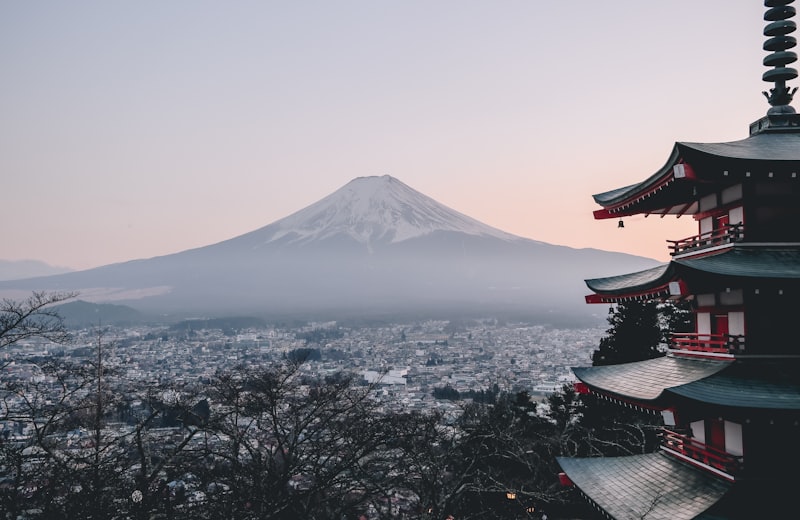
The Importance of Local Culture
Japan's cultural significance in the modern world extends far beyond its geographical boundaries, representing a unique synthesis of ancient traditions and cutting-edge innovation that has profoundly influenced global culture, technology, and social practices. This remarkable nation has successfully preserved its cultural identity while embracing modernization, creating a distinctive model that demonstrates how traditional values can coexist with rapid technological advancement and social change.
The concept of "wa" (harmony) remains central to Japanese culture and continues to shape modern Japanese society's approach to conflict resolution, business practices, and social interactions. This fundamental principle influences everything from corporate management styles to urban planning, creating environments that prioritize collective well-being over individual interests. Modern Japan demonstrates how traditional cultural values can provide stability and direction during periods of rapid change.
Japan's cultural preservation efforts have created a living laboratory where ancient practices continue to evolve and adapt to contemporary circumstances. Traditional arts like tea ceremony, flower arrangement, and martial arts have found new relevance in modern contexts, providing stress relief, mindfulness training, and cultural identity anchors for people seeking meaning in increasingly complex modern lives. This dynamic relationship between tradition and modernity offers insights into sustainable cultural development.
The importance of Japanese local culture lies in its ability to maintain authenticity while embracing global engagement. Japanese approaches to design, philosophy, and social organization offer alternatives to dominant Western models while providing practical solutions for contemporary challenges related to urbanization, technological integration, and environmental sustainability. This cultural contribution enriches global human experience while demonstrating the value of cultural diversity.
Contemporary Impact and Value
Japan's approach to technological development reflects deep cultural values that prioritize craftsmanship, attention to detail, and user experience over pure functionality or profit maximization. The concept of "monozukuri" (the art of making things) has evolved from traditional craftsmanship to encompass modern manufacturing and technology development, creating products that combine technical excellence with aesthetic beauty and user-centered design.
The integration of traditional aesthetic principles into modern technology design has created distinctively Japanese approaches to human-computer interaction, robotics, and artificial intelligence that prioritize harmony between humans and machines. Japanese concepts like "kawaii" (cuteness) and "wabi-sabi" (beauty in imperfection) have influenced global design trends, while Japanese approaches to automation emphasize collaboration rather than replacement of human workers.
Japan's cultural soft power, often referred to as "Cool Japan," has become one of the country's most significant exports, influencing global entertainment, fashion, cuisine, and lifestyle trends. Anime, manga, video games, and J-pop have created worldwide communities of enthusiasts who engage deeply with Japanese culture, language, and values. This cultural influence extends beyond entertainment to shape global perspectives on creativity, storytelling, and artistic expression.
Japanese design philosophy has profoundly influenced global architecture, interior design, and product development through principles like minimalism, functionality, and harmony with natural environments. The global popularity of Japanese design concepts reflects growing international appreciation for approaches that prioritize simplicity, sustainability, and mindful consumption over excessive materialism and conspicuous display.
The international adoption of Japanese cultural practices like mindfulness meditation, martial arts, and organizational methods demonstrates the global relevance of Japanese approaches to personal development, stress management, and productivity enhancement. These practices have been adapted and integrated into diverse cultural contexts while maintaining their essential Japanese characteristics, showing how cultural exchange can enrich global human experience.

Cultural Activities Recommendations
Traditional Japanese arts continue to thrive in modern contexts, offering both cultural preservation and contemporary relevance for practitioners and observers. The tea ceremony (chanoyu) has evolved beyond its historical aristocratic origins to become accessible to people from all backgrounds while maintaining its essential spiritual and aesthetic principles. Modern tea ceremony practice provides stress relief, mindfulness training, and cultural connection in urban environments.
Martial arts like karate, judo, and aikido have gained global popularity not only as physical disciplines but as philosophical systems that promote personal development, conflict resolution, and ethical behavior. These practices have been adapted for modern contexts including corporate training, therapeutic applications, and educational programs while maintaining their essential Japanese cultural characteristics and values.
Traditional Japanese crafts like pottery, woodworking, and textile arts have found new audiences through contemporary applications that combine traditional techniques with modern aesthetics and functionality. These crafts provide alternatives to mass-produced goods while preserving cultural knowledge and supporting artisan communities. The growing international interest in Japanese craftsmanship reflects broader cultural trends toward authenticity and sustainability.
Contemporary Japanese festivals and cultural events successfully blend traditional elements with modern entertainment and technology, creating experiences that appeal to diverse audiences while maintaining cultural authenticity. Summer festivals (matsuri) incorporate traditional music, dance, and food with modern lighting and sound systems that enhance rather than replace traditional cultural expressions.
Modern Japanese cultural institutions like museums, cultural centers, and performance venues have pioneered innovative approaches to cultural presentation that combine traditional content with contemporary exhibition techniques and interactive technologies. These institutions serve as bridges between traditional and modern culture while making Japanese cultural heritage accessible to international audiences.
The integration of traditional cultural elements into modern commercial and entertainment venues creates opportunities for cultural engagement that fit contemporary lifestyles and schedules. Traditional music performances in modern concert halls, cultural workshops in community centers, and traditional craft demonstrations in shopping districts make cultural participation convenient and accessible while maintaining educational and spiritual value.
Japan's Enduring Cultural Legacy
Japan's cultural significance in modern times lies not in its ability to preserve ancient traditions unchanged, but in its remarkable capacity to adapt and evolve cultural practices while maintaining their essential character and relevance. This dynamic approach to cultural development offers valuable models for other societies seeking to balance tradition with innovation, local identity with global engagement, and individual fulfillment with collective responsibility.
The global appeal of Japanese culture reflects universal human needs for meaning, beauty, and connection that transcend cultural boundaries while respecting cultural specificity and authenticity. Japanese approaches to design, philosophy, and social organization offer alternatives to dominant Western models while providing practical solutions for contemporary challenges related to urbanization, technological integration, and environmental sustainability.
Modern Japanese Business Culture and Global Influence
Japanese business culture has profoundly influenced global management practices through concepts like kaizen (continuous improvement), just-in-time manufacturing, and quality circles that prioritize employee engagement and systematic problem-solving. These approaches have been adopted worldwide, demonstrating how traditional Japanese values of collective responsibility, attention to detail, and long-term thinking can enhance modern organizational effectiveness.
The Japanese concept of "omotenashi" (hospitality) has revolutionized service industries globally, emphasizing anticipation of customer needs, attention to detail, and genuine care that goes beyond mere transaction completion. This approach to service excellence reflects deeper cultural values about human relationships and social responsibility that continue to influence international business practices and customer service standards.
Japanese corporate culture's emphasis on consensus-building (nemawashi) and collective decision-making offers alternatives to hierarchical Western management styles, promoting workplace harmony and employee satisfaction while maintaining productivity and innovation. These practices have been particularly influential in technology companies and manufacturing organizations seeking to balance efficiency with employee well-being.
Cultural Preservation in the Digital Age
Japan's approach to cultural preservation in the digital age demonstrates innovative methods for maintaining traditional practices while embracing technological advancement. Digital archives of traditional arts, virtual reality experiences of historical sites, and online platforms for cultural education ensure that Japanese cultural heritage remains accessible to future generations while adapting to contemporary learning preferences.
The integration of traditional aesthetics into modern digital interfaces and user experience design has created distinctively Japanese approaches to technology that prioritize simplicity, elegance, and user comfort. This synthesis of traditional design principles with cutting-edge technology offers models for other cultures seeking to maintain cultural identity in increasingly digital environments.
Japanese gaming culture, from traditional board games like Go and Shogi to modern video games and anime, demonstrates how cultural values can be transmitted through entertainment media while reaching global audiences. These cultural products serve as ambassadors for Japanese values, aesthetics, and social concepts, creating international appreciation for Japanese culture among younger generations.
Understanding Japan's cultural significance requires recognizing both its unique characteristics and its universal relevance for addressing shared human challenges and aspirations. The country's success in maintaining cultural identity while embracing global engagement provides inspiration and practical guidance for individuals and societies seeking to navigate the complexities of modern life while preserving meaningful connections to cultural heritage.
For travelers seeking to understand Japan's cultural significance, the key lies in approaching the country with openness, respect, and willingness to engage with both traditional and contemporary expressions of Japanese culture. This engagement requires moving beyond surface-level tourism to develop genuine appreciation for the philosophical, aesthetic, and social principles that continue to shape Japanese society and influence global culture.
Ready to explore Japan's rich cultural landscape? Discover our comprehensive guides to Japanese festivals and traditions, traditional arts and crafts experiences, or practical tips for respectful cultural engagement. Japan's cultural significance extends far beyond its borders, offering insights and inspiration that can enrich your understanding of both Japanese society and your own cultural perspectives.