
Destination Overview
Tokyo is a city where centuries-old traditions meet cutting-edge innovation, creating a landscape that feels both timeless and futuristic. As Japan's capital and largest metropolis, Tokyo encompasses 23 special wards and countless neighborhoods, each with a distinct character. The city's efficient transit system, legendary hospitality, and culture of meticulous detail make it remarkably easy for visitors to navigate. From tranquil shrines tucked behind modern skyscrapers to bustling crossings illuminated by neon billboards, Tokyo offers contrasts that continually surprise and delight travelers.
Beyond the postcard images of Shibuya Crossing or the serene gardens of the Imperial Palace, Tokyo reveals itself through sensory experiences: the aroma of freshly grilled yakitori drifting through lantern-lit alleys, the whisper of bamboo in a temple courtyard, the quiet efficiency of subway commuters, and the hum of vending machines on every corner. It is this seamless blend of old and new, orderly and exuberant, that gives Tokyo its unmistakable energy and makes exploring its landmarks a journey through both Japanese history and contemporary urban culture.
Top 10 Must-See Landmarks
1) Senso-ji Temple - Tokyo's oldest temple, founded in 645 AD, anchors the Asakusa district. The iconic Kaminarimon Gate with its massive red lantern welcomes visitors into Nakamise-dori, a lively shopping street selling traditional snacks and crafts. The main hall and five-story pagoda stand as enduring symbols of Edo-era spirituality, offering a glimpse into Tokyo's past before skyscrapers defined its skyline. Visit early morning to hear temple bells and watch locals offer prayers, or at dusk when the grounds glow softly.
2) Tokyo Skytree - Rising 634 meters, Tokyo Skytree is the tallest structure in Japan and a beacon of modern engineering. Its design blends cutting-edge seismic technology with aesthetic inspiration from traditional Japanese architecture. Two observation decks provide sweeping 360-degree views: Tembo Deck at 350m and Tembo Galleria at 450m. On clear days, Mt. Fuji appears on the horizon, reminding visitors of nature's presence beyond the metropolis. The Solamachi complex below offers shopping, dining, and an excellent Sumida Aquarium.
3) Shibuya Crossing - Often called "the world's busiest pedestrian scramble," this iconic intersection epitomizes Tokyo's kinetic energy. Every few minutes, hundreds of people surge across from all directions under giant LED screens and towering advertisements. Nearby, the Hachiko statue honors the loyal Akita dog who waited for his owner daily, symbolizing enduring devotion in a fast-paced city. Climb to a cafe overlooking the crossing to appreciate the organized chaos that somehow feels choreographed.
4) Meiji Jingu Shrine - Nestled within a dense forest in Shibuya, Meiji Jingu feels worlds away from the surrounding city. Dedicated to Emperor Meiji and Empress Shoken, the shrine's towering torii gates lead visitors through tranquil tree-lined paths. The cedar barrels of sake and Burgundy wine offerings underscore Japan's blend of tradition and openness to the West during the Meiji era. Weekend weddings in Shinto attire add a layer of cultural richness to this spiritual sanctuary.
5) Imperial Palace & East Gardens - Built on the site of Edo Castle, the Imperial Palace remains the symbolic heart of Japan's monarchy. While the inner grounds are mostly closed, the East Gardens are open to the public, featuring stone walls, moats, and seasonal flora. The contrast between ancient fortifications and nearby glass towers demonstrates Tokyo's layered history. Twice a year (Jan 2 and the Emperor's birthday), the inner grounds open for public greetings, offering a rare ceremonial glimpse.
6) Odaiba & Rainbow Bridge - This futuristic entertainment district on a man-made island showcases Tokyo's playful side. Cross Rainbow Bridge by train or on foot for views of Tokyo Bay, the Skytree, and a replica of the Statue of Liberty. Odaiba houses teamLab Borderless digital art museum, shopping malls, onsen facilities like Oedo Onsen Monogatari, and seaside parks perfect for sunset strolls. It's a testament to Tokyo's ability to reclaim and redesign space for leisure.
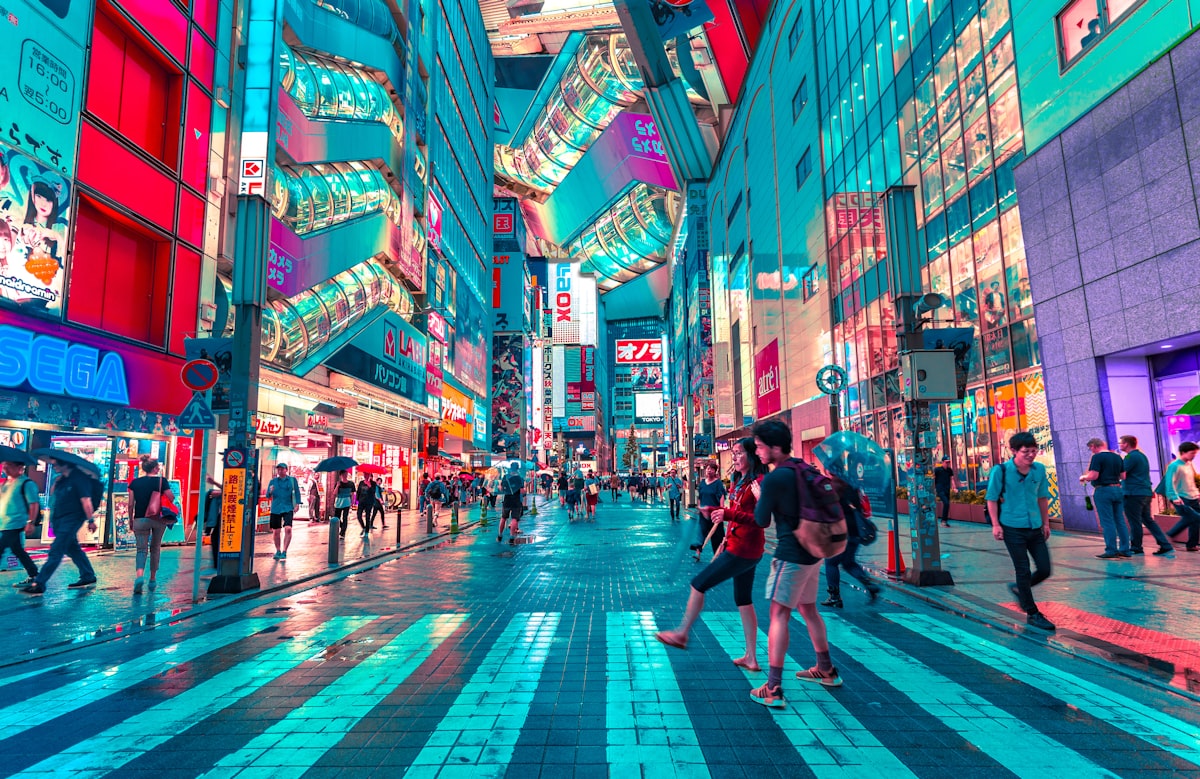
7) Akihabara Electric Town - Once the center of post-war electronics, Akihabara now embodies otaku culture, where anime, gaming, and tech intersect. Multi-story arcades, specialty shops for retro consoles, and themed cafes create a subculture haven. Yodobashi Camera's flagship store and backstreet component shops coexist, offering everything from high-end gadgets to obscure circuit parts. Neon signs and cosplay events make Akihabara an immersive experience in contemporary pop culture.
8) Tsukiji Outer Market - Though the inner wholesale market moved to Toyosu, Tsukiji's outer market remains a culinary pilgrimage. Narrow lanes brim with fresh seafood stalls, tamagoyaki stands, sushi counters, and knife shops serving chefs for generations. Sampling grilled scallops, tuna skewers, and sea urchin on the spot captures Tokyo's food heritage. Arrive early to avoid crowds and witness vendors preparing pristine ingredients that supply the city's renowned restaurants.
9) Roppongi Hills & Mori Art Museum - This upscale complex combines luxury living, shopping, dining, and art in one vertical village. The Mori Tower's observation deck, Tokyo City View, delivers dramatic cityscapes, especially at night. The Mori Art Museum curates contemporary exhibitions with global perspectives, while the open-air Sky Deck immerses you in Tokyo's illuminated skyline. Nearby public art, including Louise Bourgeois' giant spider "Maman," adds creative flair to the district.
10) Ueno Park & Museums - Ueno is Tokyo's cultural hub, boasting the Tokyo National Museum, National Museum of Nature and Science, Ueno Zoo, and several art galleries. In spring, cherry blossoms line Shinobazu Pond and park avenues, creating picnic-perfect hanami scenes. The Ameya-Yokocho market nearby offers street food and bargains, reflecting Ueno's post-war roots as a black-market district turned lively shopping arcade.
Traveler Advice
Best time to visit: Spring (late March to May) brings cherry blossoms and mild weather, while autumn (October to November) delivers crisp air and glowing foliage. Summer is energetic but humid, with fireworks and festivals; winter is clear and quieter, perfect for panoramic city views. Weekdays and early mornings are ideal for avoiding crowds at the most famous sites.
Transportation: Tokyo's rail network is exceptionally efficient. Use Suica or PASMO IC cards for quick entry and transfers. The Tokyo Subway Ticket (24/48/72 hours) can save money on metro rides, and Google Maps will guide you through JR, metro, and private lines with platform-level detail. Factor in extra time for large stations like Shinjuku and Tokyo Station.
Etiquette and cultural awareness: At shrines, bow at torii gates, rinse hands at the chozuya, and stay quiet near prayer areas. In crowded neighborhoods, move with the flow and avoid stopping suddenly. Cash is still useful at smaller eateries, though cards and IC payments are increasingly accepted.
Food and budgeting: Excellent meals exist at every price point. Seek lunchtime set menus for value, visit ramen counters for quick comfort food, and explore izakaya for shared plates. Tsukiji's outer market and depachika (department store food halls) are perfect for grazing. Tipping is not customary, and quality service is standard.
Conclusion
Each of Tokyo's landmarks tells a unique story of cultural evolution and historical significance, from the ancient spiritual foundations of Senso-ji Temple to the cutting-edge architecture of Tokyo Skytree. These sites represent more than tourist attractions - they are living monuments to Japan's ability to honor tradition while embracing innovation. The cultural depth found at Meiji Jingu Shrine, the technological marvels of Akihabara, and the artistic expressions in Roppongi Hills collectively showcase Tokyo's multifaceted identity as both a guardian of heritage and a pioneer of the future.
Tokyo's landmarks form a living timeline of Japan's evolution, from the sacred serenity of Senso-ji and Meiji Jingu to the futuristic ambitions of Skytree and Odaiba. Each site offers cultural and historical significance that goes beyond photo opportunities, inviting travelers to engage with the stories that shaped modern Tokyo. Whether you're admiring art atop Roppongi Hills, crossing Shibuya's organized chaos, or savoring street snacks in Tsukiji, you are experiencing a city that honors its past while relentlessly innovating.
To make the most of your visit, time your landmark stops with the seasons: cherry blossoms in Ueno, summer sunsets from Odaiba, autumn clarity from Skytree, and winter illuminations in Roppongi. Pair landmark visits with nearby neighborhoods - Asakusa with Sumida River cruises, Shibuya with Harajuku's fashion streets, Ueno with Yanaka's old-town alleys - for richer context. Ready for more? Explore our next destination recommendations and keep uncovering the many layers of Japan's capital and beyond.