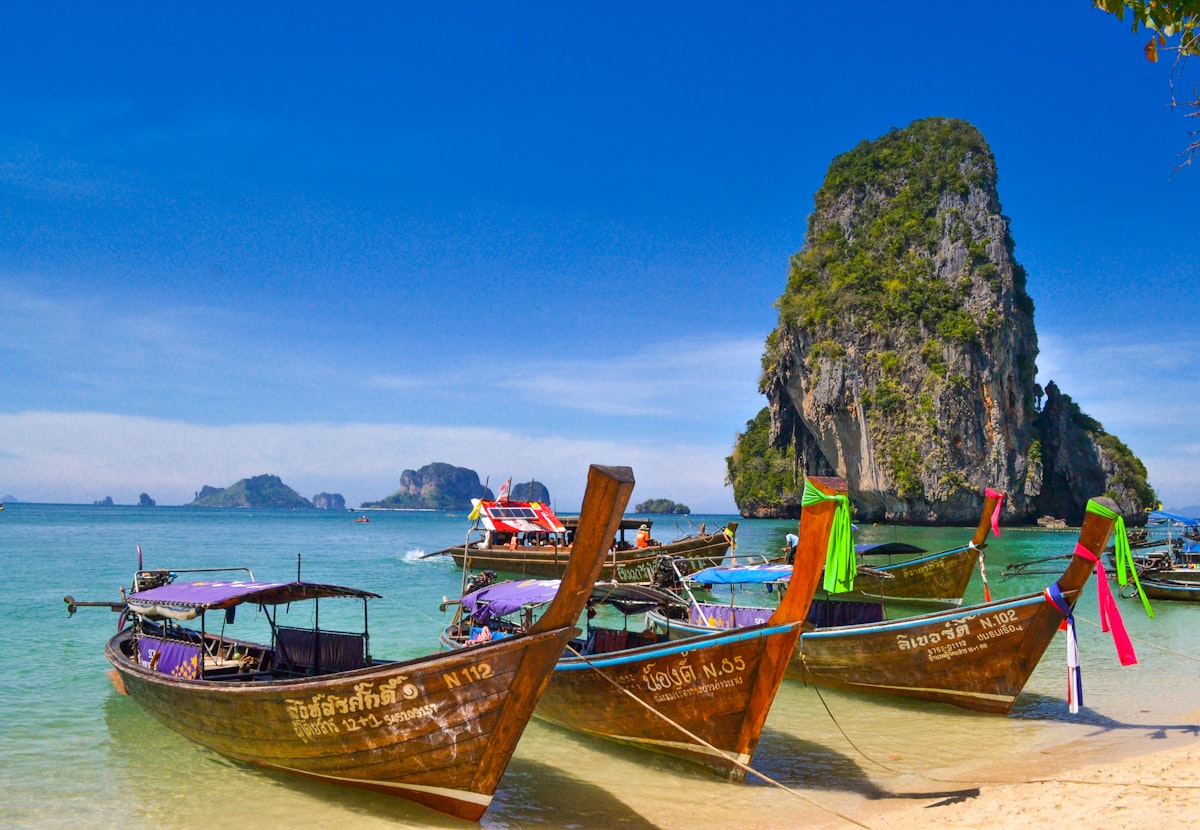
High Season Tourist Situation and Expectations
Thailand's high season, spanning from November through March, transforms this tropical paradise into one of the world's most sought-after destinations, attracting millions of visitors seeking escape from winter weather and immersion in Southeast Asian culture and natural beauty. This peak period coincides with Thailand's cool, dry season when temperatures are most comfortable, rainfall is minimal, and outdoor activities are at their most enjoyable. However, this optimal weather comes with significant trade-offs including dramatically increased crowds, substantially higher prices, and the need for extensive advance planning to secure accommodations and activities.
The influx of international tourists during high season creates a vibrant but challenging environment where popular destinations can become overwhelmed with visitors, leading to crowded beaches, packed temples, and busy streets that may diminish the tranquil tropical experience many travelers seek. Understanding these conditions and planning accordingly can help visitors navigate the challenges while maximizing the benefits of traveling during Thailand's most popular period. The key lies in balancing the advantages of optimal weather and full activity availability against the realities of increased competition for resources and elevated costs.
High season in Thailand also represents the period when the country's tourism infrastructure operates at full capacity, with all hotels, restaurants, tour operators, and transportation services available and running frequent schedules. This comprehensive availability ensures that visitors have access to the widest range of experiences and services, though it also means that popular attractions and services may be operating at or beyond their optimal capacity, potentially affecting service quality and visitor satisfaction.
Must-Do Activities and Peak Season Advantages
Optimal Weather for Outdoor Adventures
High season's dry, sunny weather creates ideal conditions for Thailand's most popular outdoor activities, from island hopping and snorkeling to temple exploration and cultural tours. The absence of monsoon rains means that boat services to remote islands operate reliably, hiking trails remain accessible, and outdoor markets and festivals proceed without weather-related cancellations. This reliability allows visitors to plan comprehensive itineraries with confidence that weather won't disrupt their carefully arranged activities and experiences.
Water-based activities reach their peak during high season, with calm seas providing excellent conditions for diving, snorkeling, and water sports throughout Thailand's coastal regions. The clear skies and reduced rainfall create optimal underwater visibility, making this the best time for exploring Thailand's renowned coral reefs and marine life. Popular diving destinations like the Similan Islands, Koh Tao, and Koh Phi Phi offer their best conditions during this period, though visitors should expect crowded dive sites and higher prices for equipment and instruction.
Cultural and historical site visits benefit significantly from high season's comfortable temperatures and minimal rainfall, making extensive temple exploration and archaeological site visits more enjoyable and practical. The cooler temperatures of December through February provide the most comfortable conditions for walking tours of Bangkok's Grand Palace, exploring Ayutthaya's ancient ruins, or climbing the steep steps of Angkor Wat. However, these optimal conditions also attract the largest crowds, requiring early morning visits and strategic timing to avoid peak congestion periods.
Festival and Cultural Event Opportunities
High season coincides with several of Thailand's most significant cultural celebrations and festivals, providing visitors with unique opportunities to experience authentic Thai culture and traditions. The cool season hosts events like the Loy Krathong festival in November, various temple fairs and cultural celebrations throughout the period, and the approach of Chinese New Year celebrations in late January or February. These events offer immersive cultural experiences that showcase Thai traditions, arts, and community celebrations in their most authentic contexts.
The high season period also features optimal conditions for experiencing Thailand's vibrant night markets, outdoor dining scenes, and street food culture. The comfortable evening temperatures make extended outdoor dining and market exploration enjoyable, while the dry weather ensures that outdoor venues operate at full capacity with their complete range of offerings. Popular night markets like Chatuchak Weekend Market in Bangkok, the Night Bazaar in Chiang Mai, and beachfront dining areas throughout coastal regions provide their most comprehensive experiences during this period.
High season's peak tourism period also means that cultural performances, traditional shows, and tourist-oriented cultural experiences operate at full schedule with the highest production values and most comprehensive programming. Traditional dance performances, cultural shows, and educational programs designed for international visitors reach their peak quality and frequency during high season, though they also command premium prices and may require advance reservations to secure attendance.

Avoiding Crowds and Strategic Planning
Timing and Location Strategies
Successfully navigating Thailand's high season crowds requires strategic timing that takes advantage of daily and weekly patterns in tourist activity. Early morning visits to popular attractions, typically before 8 AM, often provide relatively uncrowded experiences before tour groups and day-trippers arrive. Similarly, late afternoon visits after 4 PM can offer reduced crowds as day tours conclude and visitors return to their accommodations. Understanding these patterns allows independent travelers to experience popular sites with significantly fewer people and better photo opportunities.
Weekday visits to attractions and destinations typically offer less crowded experiences than weekends, when domestic tourists and expatriate residents join international visitors at popular sites. This pattern is particularly pronounced around Bangkok and other major cities where local populations contribute significantly to weekend crowd levels. Planning major sightseeing activities for Tuesday through Thursday often provides the most manageable crowd levels and better service quality at restaurants and attractions.
Exploring alternative destinations and lesser-known attractions can provide authentic Thai experiences without the overwhelming crowds that characterize major tourist sites. Secondary islands, regional temples, local markets, and off-the-beaten-path cultural sites often offer more intimate and authentic experiences while still providing the cultural immersion and natural beauty that draws visitors to Thailand. These alternatives require more research and planning but often reward visitors with more meaningful and memorable experiences.
Accommodation and Transportation Planning
High season accommodation booking requires advance planning of 2-3 months or more for popular destinations, with the best properties and most desirable locations booking up earliest. Budget accommodations can be particularly challenging to secure during peak periods, as backpackers and budget travelers compete for limited affordable options. Booking accommodations well in advance not only ensures availability but often provides better rates than last-minute bookings during high season when demand far exceeds supply.
Transportation during high season requires similar advance planning, with domestic flights, train tickets, and bus services experiencing high demand and limited availability. Popular routes like Bangkok to Chiang Mai, connections to island destinations, and transportation during holiday periods can sell out weeks in advance. Booking transportation early also provides cost savings, as prices typically increase as departure dates approach and availability decreases.
Private transportation options like car rentals and private drivers become increasingly valuable during high season when public transportation systems operate at capacity and tour buses create traffic congestion at popular destinations. While more expensive than public options, private transportation provides flexibility to avoid peak travel times, access alternative routes, and maintain social distancing when desired. However, these services also require advance booking during high season to ensure availability.
High Season Pricing and Budget Management
Understanding Price Fluctuations
High season pricing in Thailand can increase by 50-200% compared to low season rates, with the most dramatic increases occurring in accommodation, tours, and transportation. Beachfront hotels and resorts often implement their highest rates during December and January, while budget accommodations may double or triple their low season prices. Understanding these price patterns helps travelers budget appropriately and make informed decisions about when and where to allocate their travel resources for maximum value.
Tour and activity pricing follows similar patterns, with popular excursions, diving trips, and cultural tours commanding premium rates during high season. Group tours may offer better value than private options during peak periods, though they also involve larger groups and less personalized experiences. Some activities, particularly those dependent on weather conditions, may only be available during high season, making their premium pricing unavoidable for visitors seeking specific experiences.
Restaurant and dining costs generally remain more stable than accommodation and tour prices, though popular tourist-oriented establishments may implement seasonal pricing or reduce promotional offerings during peak periods. Street food and local dining options typically maintain consistent pricing year-round, making them excellent value options for budget-conscious travelers during high season. However, popular restaurants may require reservations during peak periods, and service quality may decline due to increased volume.
Budget Optimization Strategies
Maximizing value during Thailand's high season requires strategic allocation of budget resources toward experiences and accommodations that provide the greatest benefit during peak conditions. Investing in quality accommodation in prime locations can provide better access to attractions while reducing transportation costs and time. Similarly, booking comprehensive tour packages may offer better value than individual activity bookings, though they reduce flexibility and spontaneity.
Balancing high season and shoulder season travel can provide optimal weather conditions while managing costs and crowds. Visiting during early November or late March often provides good weather with reduced crowds and pricing, though visitors should be prepared for occasional rain and some seasonal business closures. This strategy works particularly well for longer trips that can accommodate some weather variability in exchange for significant cost savings.
Focusing spending on unique high season opportunities while economizing on routine expenses can maximize the value of peak season travel. Investing in special experiences like premium diving trips, cultural festivals, or exclusive tours while choosing budget accommodation and local dining options can provide memorable experiences without excessive overall costs. This approach requires careful planning and prioritization but can deliver exceptional value for discerning travelers.
Regional Differences and Destination-Specific Considerations
Northern Thailand High Season Characteristics
Northern Thailand's high season offers the most dramatic temperature relief from the region's hot season, with December through February providing genuinely cool and comfortable conditions that make extensive outdoor exploration enjoyable. Chiang Mai and surrounding areas experience their most pleasant weather during this period, with clear skies, minimal rainfall, and temperatures that can drop to genuinely cool levels in the evenings and early mornings. This comfortable climate makes high season the optimal time for trekking, temple visits, and cultural exploration in the region.
However, northern Thailand's high season also coincides with the burning season when agricultural burning and forest fires can create significant air quality issues, particularly in March and April. Visitors should monitor air quality reports and be prepared for hazy conditions that can affect outdoor activities and scenic views. The combination of peak tourist season and potential air quality issues requires flexible planning and alternative indoor activities during periods of poor air quality.
Northern Thailand's cultural attractions and trekking opportunities reach their peak accessibility and quality during high season, with all mountain trails open, cultural festivals in full swing, and optimal conditions for exploring hill tribe villages and rural areas. The region's famous night markets, cultural performances, and artisan workshops operate at full capacity during this period, providing comprehensive cultural experiences though at premium prices and with significant crowds at popular venues.
Southern Thailand and Island Considerations
Southern Thailand's high season provides the best weather for beach activities and island exploration, with minimal rainfall, calm seas, and optimal conditions for water sports and marine activities. The Andaman Sea coast (including Phuket, Krabi, and Koh Phi Phi) and the Gulf of Thailand (including Koh Samui, Koh Phangan, and Koh Tao) both experience their peak conditions during high season, though specific timing may vary slightly between regions due to different monsoon patterns.
Island destinations during high season can become extremely crowded, with popular beaches, diving sites, and viewpoints experiencing significant congestion that can detract from the tropical paradise experience many visitors seek. Boat services to islands operate at full capacity, often with overcrowded vessels and rushed schedules that prioritize volume over comfort. Visitors should expect limited beach space, crowded snorkeling sites, and competition for prime sunset viewing locations at popular destinations.
The southern region's high season also represents peak pricing for accommodation, with beachfront properties commanding premium rates and budget options becoming scarce and expensive. Island accommodation often requires booking 2-3 months in advance, with the best properties and locations selling out earliest. Transportation to islands also experiences high demand and pricing, with ferry services and flights to island destinations commanding peak rates during high season.
High Season Preparation and Practical Advice
Essential Booking and Planning Timeline
Successful high season travel to Thailand requires a structured planning timeline that begins 3-4 months before departure with accommodation research and booking. Popular destinations and premium properties book up earliest, requiring immediate action once travel dates are confirmed. International flights to Thailand also benefit from early booking, with prices typically increasing as departure dates approach and availability decreases during peak travel periods.
Activity and tour booking should begin 6-8 weeks before departure, with popular experiences like diving trips, cultural tours, and special events requiring advance reservations to ensure availability. Some exclusive experiences or limited-capacity activities may require even earlier booking, particularly during peak holiday periods like Christmas and New Year when demand reaches its highest levels. Creating a prioritized list of must-do activities helps ensure that the most important experiences are secured first.
Transportation planning should include both international and domestic travel arrangements, with domestic flights, train tickets, and bus services experiencing high demand during peak season. Popular routes and travel dates around holidays require the earliest booking, while more flexible travelers may find better availability and pricing for mid-week travel dates. Travel insurance becomes particularly important during high season when trip disruptions can be more costly and difficult to resolve.
Packing and Health Considerations
High season packing for Thailand should account for the increased crowds and premium pricing that make forgotten essentials more expensive and difficult to replace. Bringing adequate supplies of personal care items, medications, and specialized gear reduces dependence on tourist-oriented shops that charge premium prices during peak season. Quality sun protection, comfortable walking shoes, and appropriate clothing for temple visits become essential items that should be packed rather than purchased upon arrival.
Health considerations during high season include increased exposure to crowds and potential for illness transmission, making hand sanitizer, basic medications, and health precautions more important than during less crowded periods. The combination of travel stress, climate adjustment, and increased social interaction can compromise immune systems, making preventive health measures particularly valuable during peak travel periods.
Technology and communication needs may require additional preparation during high season when internet connectivity and mobile networks experience higher usage and potential congestion. Downloading offline maps, translation apps, and entertainment content before arrival ensures continued access to essential services even when connectivity is limited. Portable chargers and backup power sources become more important when spending extended time away from accommodations due to crowded conditions and longer wait times at popular attractions.
Conclusion
Successfully navigating Thailand's high season requires thorough preparation, realistic expectations, and strategic planning to balance the benefits of optimal weather against the challenges of crowds and premium pricing. The key to a rewarding high season experience lies in booking accommodations and activities well in advance, timing visits to popular attractions strategically, and maintaining flexibility when crowds or weather conditions require alternative plans. Understanding regional variations and seasonal patterns helps travelers make informed decisions about where to go and when to visit specific destinations.
Thailand's high season offers unparalleled opportunities to experience this remarkable country under optimal weather conditions with full access to all attractions, activities, and cultural experiences. While the challenges of crowds, higher prices, and increased competition for resources are significant, proper planning and realistic expectations can help visitors navigate these obstacles while maximizing the unique advantages that peak season provides. The key lies in understanding that high season travel requires a different approach than off-season exploration, with greater emphasis on advance planning, flexibility, and strategic decision-making.
Ready to plan your Thailand high season adventure? Explore our comprehensive guides to Thailand's best destinations, cultural experiences, and practical travel tips that will help you navigate peak season successfully. Thailand's high season offers incredible opportunities for those prepared to embrace both its advantages and challenges, creating unforgettable experiences in one of Southeast Asia's most captivating destinations.