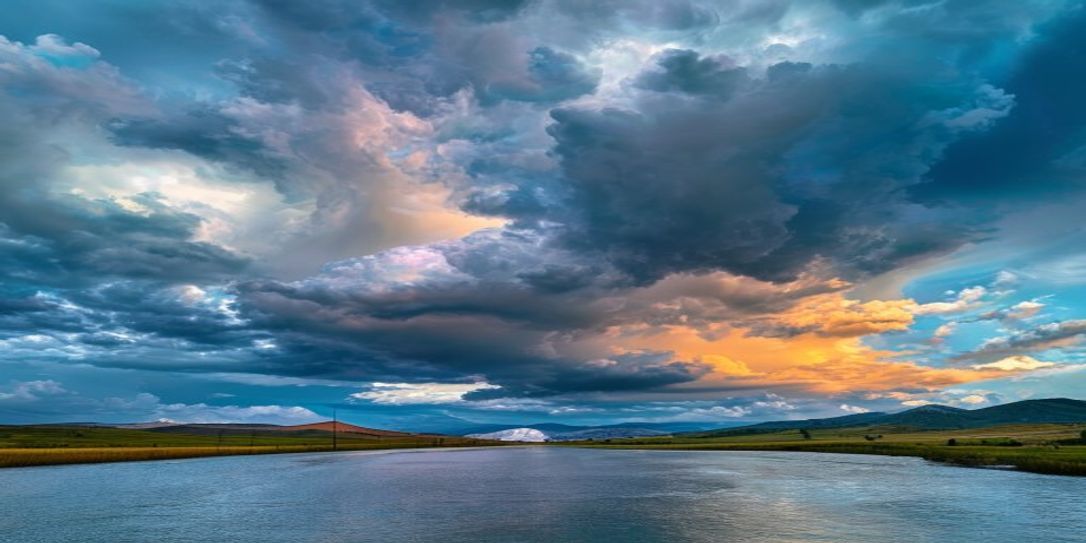
Weather Impact
Weather represents one of the most significant and unpredictable factors affecting travel experiences, with the power to transform carefully planned itineraries into memorable adventures or disappointing challenges depending on preparation, flexibility, and understanding of how different weather conditions impact various aspects of travel. The relationship between weather and travel extends far beyond simple comfort considerations to encompass safety, accessibility, cost, and the fundamental nature of experiences available at different destinations during specific weather conditions.
Understanding weather's multifaceted impact on travel requires recognizing that climate affects not only outdoor activities and sightseeing opportunities but also transportation reliability, accommodation availability, local business operations, and the overall atmosphere and character of destinations. Seasonal weather patterns create distinct travel experiences that can either align perfectly with traveler expectations and preferences or create significant challenges that require adaptation and alternative planning. The key to successful weather-conscious travel lies in thorough research, realistic expectations, and flexible planning that can accommodate weather variability while maximizing opportunities for positive experiences regardless of conditions.
Climate change has introduced additional complexity to weather-related travel planning, with traditional seasonal patterns becoming less predictable and extreme weather events occurring more frequently across many destinations. This evolving climate reality requires travelers to stay informed about current conditions rather than relying solely on historical weather data, while also considering the environmental impact of their travel choices and supporting destinations' climate adaptation efforts. Modern weather-conscious travel planning must balance personal preferences and safety considerations with environmental responsibility and support for communities adapting to changing climate conditions.
Planning Itineraries
Seasonal Activity Alignment
Effective weather-based itinerary planning begins with understanding how seasonal conditions affect the availability, quality, and safety of different activities and attractions at your chosen destination. Outdoor activities like hiking, water sports, and sightseeing tours are heavily dependent on weather conditions, with optimal experiences often occurring during specific seasons or weather patterns that provide ideal temperature, precipitation, and visibility conditions. Researching these optimal conditions and planning travel dates accordingly can dramatically improve the quality of outdoor experiences while reducing the risk of weather-related cancellations or disappointing conditions.
Indoor alternatives and weather-flexible activities should form the backbone of any weather- conscious itinerary, providing backup options when outdoor conditions become unsuitable while ensuring that travel experiences remain rich and engaging regardless of weather variability. Museums, galleries, cultural sites, shopping districts, and indoor entertainment venues can provide excellent experiences during poor weather while often offering insights into local culture and history that complement outdoor activities. Planning itineraries with a mix of weather-dependent and weather-independent activities creates flexibility while ensuring that each day offers meaningful experiences regardless of conditions.
Regional weather patterns and microclimates can create significant variations in conditions within relatively small geographic areas, offering opportunities to optimize daily activities based on localized weather forecasts and conditions. Coastal areas may experience different conditions than inland regions, while elevation changes can create dramatic temperature and precipitation differences within short distances. Understanding these patterns allows for strategic daily planning that takes advantage of favorable conditions in specific areas while avoiding locations experiencing poor weather during the same time period.
Transportation and Logistics Considerations
Weather significantly impacts transportation reliability and safety, requiring careful consideration of how seasonal conditions affect different transportation modes and routes during travel planning. Air travel can be severely disrupted by storms, fog, snow, and high winds, with some destinations experiencing predictable seasonal weather patterns that create higher risks of delays and cancellations during specific periods. Understanding these patterns and building buffer time into travel schedules can prevent weather-related disruptions from cascading through entire itineraries while providing opportunities to enjoy unexpected extended stays when delays occur.
Ground transportation faces different weather challenges, with road conditions, visibility, and vehicle performance all affected by seasonal weather patterns and extreme conditions. Mountain roads may become impassable during winter months, while tropical regions may experience flooding or road damage during rainy seasons that affects accessibility to certain destinations and attractions. Researching seasonal road conditions and transportation reliability helps inform route planning while identifying alternative transportation options when primary routes become unavailable due to weather conditions.
Ferry services, boat tours, and water-based transportation are particularly vulnerable to weather conditions, with wind, waves, and visibility affecting both safety and passenger comfort during water travel. Many island destinations and coastal areas experience seasonal patterns in water conditions that can significantly impact the availability and quality of boat-based transportation and activities. Understanding these patterns and planning accordingly can prevent disappointment while ensuring access to island destinations and water-based experiences during optimal conditions.

Dealing with Extreme Weather Conditions
Preparation and Safety Strategies
Extreme weather events require specialized preparation and safety protocols that go beyond normal travel planning to ensure traveler safety while minimizing disruption to travel experiences. Understanding the types of extreme weather common to your destination during your travel period allows for appropriate preparation including specialized clothing, emergency supplies, and communication plans that can be crucial during severe weather events. This preparation should include both preventive measures to avoid dangerous conditions and response strategies for situations where extreme weather cannot be avoided.
Emergency preparedness for extreme weather includes maintaining communication capabilities, identifying safe shelter options, and understanding local emergency procedures and warning systems that can provide crucial information during severe weather events. Many destinations have well-developed emergency response systems and communication networks that provide timely warnings and guidance during extreme weather, but travelers must understand how to access and interpret these systems to benefit from their protection. Registering with embassy or consular services can provide additional safety resources and communication channels during extreme weather emergencies.
Travel insurance becomes particularly important when traveling to destinations prone to extreme weather, as weather-related trip cancellations, delays, and emergency expenses can create significant financial burdens without appropriate coverage. Understanding what weather-related events are covered by different insurance policies and ensuring adequate coverage for your specific destination and travel dates can provide crucial financial protection and peace of mind when traveling during seasons with higher extreme weather risks. Some policies offer "cancel for any reason" coverage that provides maximum flexibility when weather conditions make travel inadvisable.
Adaptation and Alternative Planning
Successful extreme weather management requires flexible thinking and creative problem-solving that can transform weather challenges into unique travel experiences and opportunities for cultural immersion. Severe weather often provides opportunities to experience local culture and community life in ways that normal weather conditions don't allow, as communities come together during challenging conditions and travelers may find themselves welcomed into local gathering places and social situations that provide authentic cultural experiences. Embracing these opportunities rather than viewing weather disruptions as purely negative can lead to memorable and meaningful travel experiences.
Indoor cultural activities and experiences often reach their peak quality during extreme weather periods when local residents and businesses focus on indoor entertainment and cultural programming. Museums, galleries, theaters, and cultural centers may offer special programming or extended hours during severe weather, while restaurants and cafes often become social gathering places that provide opportunities for cultural interaction and local cuisine exploration. Understanding and taking advantage of these indoor opportunities can make extreme weather periods some of the most culturally rich and socially engaging parts of travel experiences.
Technology resources and weather monitoring tools provide real-time information that can help travelers make informed decisions about daily activities and safety precautions during extreme weather conditions. Weather apps, emergency alert systems, and local news sources can provide crucial information about changing conditions and safety recommendations that help travelers adapt their plans appropriately. However, these tools should supplement rather than replace local knowledge and official emergency guidance, as local authorities and residents often have the most accurate and timely information about specific conditions and appropriate responses.
Seasonal Packing and Equipment Considerations
Climate-Appropriate Clothing Systems
Effective seasonal packing requires understanding layering systems and versatile clothing choices that can adapt to changing weather conditions while minimizing luggage weight and volume. Layering systems allow travelers to adjust their clothing to match changing temperatures and weather conditions throughout the day, providing comfort and protection across a wide range of conditions with fewer individual garments than single-purpose clothing approaches. Base layers, insulating layers, and weather-resistant outer layers can be combined in various configurations to provide appropriate protection and comfort for different activities and conditions.
Fabric selection significantly impacts clothing performance in different weather conditions, with modern technical fabrics offering superior moisture management, temperature regulation, and durability compared to traditional materials. Merino wool provides excellent temperature regulation and odor resistance across a wide range of conditions, while synthetic fabrics offer quick-drying properties and durability that make them ideal for active travel and variable weather conditions. Understanding the performance characteristics of different fabrics helps inform packing decisions while ensuring appropriate protection and comfort for expected weather conditions.
Footwear selection requires careful consideration of expected weather conditions, planned activities, and terrain characteristics that will be encountered during travel. Waterproof or water-resistant footwear becomes essential for destinations with significant precipitation or water-based activities, while breathable options are crucial for hot, humid conditions where moisture management affects comfort and foot health. Versatile footwear that can handle multiple conditions and activities reduces packing requirements while ensuring appropriate protection and comfort across different weather scenarios.
Weather-Specific Equipment and Accessories
Specialized weather equipment can dramatically improve comfort and safety during challenging weather conditions while often taking up minimal luggage space and weight. Compact umbrellas, rain ponchos, and waterproof bags protect travelers and their belongings during precipitation while enabling continued outdoor activities and sightseeing during light to moderate rain. Quality rain gear can transform potentially miserable weather experiences into comfortable and enjoyable outdoor adventures while providing protection that allows for continued exploration and activity participation.
Sun protection equipment becomes crucial for destinations with intense solar radiation, high altitude, or reflective surfaces that can cause severe sunburn and heat-related health issues. Wide-brimmed hats, UV-protective clothing, and high-SPF sunscreen provide essential protection during sunny conditions while enabling extended outdoor activities and sightseeing. Sunglasses with appropriate UV protection are essential for eye health and comfort, particularly in high- altitude or snow-covered environments where reflected light can cause significant eye strain and damage.
Cold weather accessories like insulated gloves, warm hats, and neck protection can make the difference between comfortable and miserable experiences in cold climates while taking up minimal luggage space. These accessories often provide disproportionate comfort benefits relative to their size and weight, making them excellent investments for cold weather travel. Quality cold weather accessories also enable extended outdoor activities and sightseeing during cold conditions, allowing travelers to fully experience winter destinations and activities that might otherwise be uncomfortable or unsafe without appropriate protection.
Weather Monitoring and Technology Resources
Forecasting Tools and Apps
Modern weather forecasting technology provides unprecedented access to detailed, location-specific weather information that can inform daily travel decisions and activity planning with remarkable accuracy for short-term forecasts. Professional weather apps and services offer hour-by-hour forecasts, precipitation probability, wind conditions, and specialized information like UV index and air quality that can significantly impact outdoor activities and health considerations. Understanding how to interpret and utilize these forecasting tools can dramatically improve travel experiences by enabling optimal timing for weather-dependent activities and appropriate preparation for changing conditions.
Radar and satellite imagery provide real-time information about approaching weather systems that can help travelers make immediate decisions about outdoor activities and safety precautions. These visual tools often provide more intuitive understanding of weather patterns and timing than text-based forecasts, allowing travelers to see approaching storms, precipitation patterns, and clearing conditions that affect short-term planning decisions. Many weather apps integrate radar and satellite data with forecasting information to provide comprehensive weather awareness tools that support informed decision-making.
Specialized weather information for specific activities like aviation, marine conditions, and mountain weather can provide crucial safety information for travelers participating in weather- sensitive activities. Aviation weather reports include information about visibility, wind conditions, and turbulence that can affect flight safety and comfort, while marine weather forecasts provide wave height, wind speed, and visibility information crucial for boat-based activities. Mountain weather forecasts include elevation-specific information about temperature, precipitation, and wind conditions that can vary dramatically with altitude changes.
Communication and Emergency Resources
Emergency communication capabilities become crucial during severe weather events when normal communication systems may be disrupted or overloaded by emergency traffic. Satellite communication devices, emergency beacons, and backup communication methods can provide lifesaving connectivity during extreme weather emergencies when cellular networks become unavailable. Understanding the communication options available at your destination and carrying appropriate backup communication devices can provide crucial safety resources during weather emergencies.
Local emergency alert systems and warning networks provide official information about severe weather threats and appropriate safety responses that can be crucial for traveler safety during extreme weather events. Many destinations have sophisticated emergency warning systems that provide timely alerts through multiple channels including mobile phone alerts, radio broadcasts, and public address systems. Understanding how to access and interpret these warning systems ensures that travelers receive crucial safety information and guidance during weather emergencies.
Embassy and consular services often provide weather-related travel advisories and emergency assistance that can be invaluable during severe weather events or when weather conditions create safety concerns for travelers. Registering with embassy services and understanding available consular assistance can provide additional safety resources and communication channels during weather emergencies. These services often have access to official weather information and emergency resources that may not be available through commercial channels, providing additional safety and support options for travelers facing weather-related challenges.
Adapting to Local Climate and Seasonal Patterns
Cultural Weather Adaptation
Understanding how local cultures have adapted to their climate conditions provides valuable insights into appropriate behavior, clothing choices, and activity timing that can significantly improve travel experiences while demonstrating cultural sensitivity and awareness. Local residents have developed sophisticated strategies for dealing with their regional climate that often provide superior comfort and safety compared to generic travel advice or assumptions based on different climate experiences. Observing and learning from local climate adaptation strategies can enhance travel experiences while showing respect for local knowledge and cultural practices.
Daily rhythm adaptation involves adjusting activity schedules to match local patterns that have evolved to optimize comfort and productivity within specific climate conditions. Many hot climate cultures practice midday rest periods during the hottest parts of the day, while cold climate cultures may concentrate outdoor activities during the warmest daylight hours. Understanding and adopting these local rhythms can improve comfort and energy levels while providing opportunities to experience destinations according to local lifestyle patterns rather than imposing external scheduling expectations.
Seasonal celebration and cultural events often reflect local climate patterns and provide unique opportunities to experience how communities celebrate and adapt to their environmental conditions. Winter festivals in cold climates, harvest celebrations in agricultural regions, and seasonal religious observances often incorporate climate-specific elements that demonstrate cultural adaptation to environmental conditions. Participating in these seasonal cultural events provides insights into local climate relationships while offering authentic cultural experiences that reflect the deep connections between culture and environment.
Health and Wellness Considerations
Climate-related health considerations require understanding how different weather conditions affect physical health, energy levels, and overall well-being during travel. Heat-related health risks include dehydration, heat exhaustion, and heat stroke that can be prevented through appropriate hydration, clothing choices, and activity timing. Cold-related health risks include hypothermia, frostbite, and increased susceptibility to respiratory infections that require appropriate clothing, nutrition, and activity planning to prevent. Understanding these health risks and appropriate prevention strategies ensures safe and comfortable travel across different climate conditions.
Altitude and atmospheric pressure changes can significantly affect health and comfort, particularly for travelers visiting high-altitude destinations or experiencing rapid elevation changes during travel. Altitude sickness symptoms include headaches, nausea, and fatigue that can significantly impact travel experiences if not properly managed through gradual acclimatization, appropriate hydration, and recognition of serious symptoms that require medical attention. Understanding altitude effects and appropriate adaptation strategies enables safe and enjoyable travel to high-altitude destinations while minimizing health risks and discomfort.
Seasonal affective considerations involve understanding how reduced daylight, weather patterns, and seasonal changes can affect mood, energy levels, and overall travel enjoyment. Some travelers may experience mood changes or energy fluctuations related to seasonal light patterns, particularly when traveling to destinations with significantly different daylight patterns than their home environment. Understanding these potential effects and planning appropriate activities, light exposure, and self-care strategies can help maintain positive travel experiences across different seasonal and climate conditions.
Conclusion
Understanding and adapting to weather's impact on travel represents a fundamental skill that can transform potentially challenging conditions into opportunities for unique experiences, cultural learning, and personal growth. Weather-conscious travel planning requires balancing preparation with flexibility, safety with adventure, and personal preferences with environmental realities that create the context for all travel experiences. The ability to adapt to and even embrace different weather conditions often distinguishes memorable and transformative travel experiences from merely comfortable but forgettable trips.
The relationship between weather and travel extends beyond practical considerations to encompass the fundamental character and atmosphere of destinations, with different weather conditions revealing different aspects of places and cultures that might remain hidden under other circumstances. Rainy days can provide intimate indoor cultural experiences, snow can transform landscapes into magical winter wonderlands, and storms can demonstrate the power and beauty of natural forces while bringing communities together in shared experiences of resilience and adaptation.
Climate change considerations add new dimensions to weather-conscious travel planning, requiring awareness of changing patterns, extreme weather risks, and the environmental impact of travel choices on global climate systems. Responsible weather-conscious travel involves supporting destinations' climate adaptation efforts, choosing environmentally sustainable travel options, and understanding how travel choices contribute to or mitigate climate change impacts that affect weather patterns worldwide.
The skills developed through weather-conscious travel—flexibility, preparation, cultural sensitivity, and environmental awareness—provide valuable life skills that extend far beyond travel applications to enhance daily life resilience and adaptability. Learning to find joy and meaning in diverse weather conditions, to prepare appropriately for environmental challenges, and to adapt plans based on changing circumstances creates personal capabilities that serve travelers well in all aspects of life while contributing to more sustainable and responsible travel practices.
Weather will always remain one of travel's great variables, capable of creating both challenges and opportunities that test traveler adaptability while providing some of travel's most memorable and transformative experiences. Embracing weather as an integral part of travel rather than an obstacle to overcome often leads to richer, more authentic, and more meaningful travel experiences that connect travelers more deeply with destinations, cultures, and the natural world that shapes all human experience.
Ready to master weather-conscious travel planning? Explore our comprehensive guides to seasonal destination planning, extreme weather preparation, or climate-specific packing strategies that will help you travel confidently in any weather conditions. Weather-aware travel opens doors to unique seasonal experiences and authentic cultural encounters that showcase destinations in their full environmental and cultural context throughout the year.