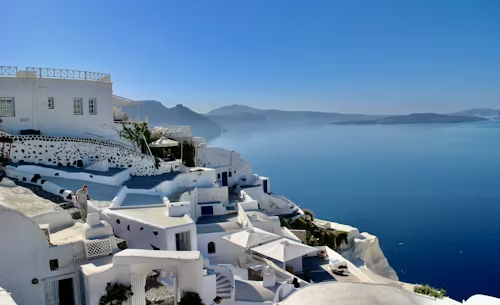
Peak Season vs. Off-Season
Greece's tourism seasons create dramatically different experiences, each offering unique advantages for different types of travelers. Understanding these seasonal variations is crucial for planning the perfect Greek adventure, whether you're seeking vibrant nightlife, peaceful exploration, or budget-friendly travel. The country's Mediterranean climate and island geography create distinct patterns that affect everything from accommodation prices to ferry schedules and cultural experiences.
Peak season (July-August) brings guaranteed sunshine, warm seas perfect for swimming, and the full energy of Greek summer culture. However, this period also means crowded attractions, inflated prices, and temperatures that can exceed 35°C (95°F) on many islands. The shoulder seasons (April-June and September-October) offer the sweet spot for many travelers, combining pleasant weather with manageable crowds and reasonable prices.
Off-season travel (November-March) reveals a completely different Greece - quieter, more authentic, and significantly more affordable. While many island accommodations and restaurants close during winter months, mainland Greece and major islands like Crete remain accessible, offering opportunities to experience Greek life without the tourist overlay that defines summer months.
Suitable Weather and Activities
Spring (April-June): Awakening Islands
Spring represents Greece's most balanced season, offering mild temperatures (18-25°C/64-77°F), blooming wildflowers, and increasingly warm seas as summer approaches. April can still be unpredictable with occasional rain showers, but May and June provide near-perfect conditions for most activities. This period is ideal for hiking, archaeological site exploration, and island hopping without the intense heat that makes summer sightseeing challenging.
Ferry services resume full schedules by May, connecting even remote islands that may have limited winter service. Accommodation prices remain reasonable, and many hotels and restaurants reopen after winter closures. The Greek Orthodox Easter, typically falling in April or May, provides unique cultural experiences with traditional celebrations, processions, and feast preparations visible throughout the country.
Spring offers excellent conditions for outdoor activities like hiking the Samaria Gorge in Crete, exploring Meteora's monasteries, or walking through Athens' ancient sites without summer's oppressive heat. The sea temperature reaches comfortable swimming levels by late May, making this season perfect for combining cultural exploration with beach relaxation.
Summer (July-August): Peak Energy and Heat
Greek summers deliver the quintessential Mediterranean experience - blazing sunshine, crystal-clear seas, and vibrant nightlife that continues until dawn. Temperatures regularly exceed 30°C (86°F), with many islands experiencing heat waves above 35°C (95°F). While this creates perfect beach weather, it can make daytime sightseeing uncomfortable, particularly at archaeological sites with limited shade.
Summer is festival season in Greece, with numerous cultural events, music festivals, and traditional celebrations occurring throughout the islands and mainland. The Aegean's famous meltemi winds provide some relief from the heat while creating excellent conditions for sailing and windsurfing. However, these same winds can disrupt ferry schedules and create rough seas for smaller boats.
This season demands strategic planning - early morning and late afternoon activities, midday beach or pool time, and evening exploration when temperatures become more comfortable. Accommodation must be booked well in advance, and prices reach their annual peak. Despite the challenges, summer offers the full Greek experience with every restaurant, bar, and attraction operating at full capacity.
Autumn (September-October): Golden Season
Many experienced travelers consider autumn Greece's best-kept secret, offering warm seas (still 20-24°C/68-75°F from summer heating), comfortable air temperatures (20-28°C/68-82°F), and significantly fewer crowds. September feels like extended summer with perfect beach weather, while October provides ideal conditions for hiking, cycling, and cultural exploration.
The harvest season brings unique experiences - wine festivals, olive picking opportunities, and local celebrations that showcase authentic Greek culture. Restaurant terraces become comfortable for dining, and archaeological sites can be explored without the punishing heat that makes summer visits challenging. Ferry schedules remain comprehensive through October, though some remote island connections may reduce frequency.
Autumn offers the best value for luxury experiences, with high-end hotels reducing rates while maintaining full service levels. The quality of light during this season is exceptional for photography, with golden hour lasting longer and providing stunning illumination for Greece's white-washed architecture and azure seas.
Winter (November-March): Authentic Greece
Winter reveals Greece's authentic character, stripped of tourist infrastructure and seasonal businesses. Temperatures range from 10-18°C (50-64°F), with occasional rain and rare snow in mountainous regions. While many island accommodations close, major destinations like Athens, Thessaloniki, and Crete remain fully accessible with significantly reduced prices and crowds.
This season is perfect for cultural immersion, museum visits, and exploring Greece's rich culinary traditions in local tavernas frequented by residents rather than tourists. Winter festivals, including carnival celebrations and religious observances, provide insights into Greek culture impossible to experience during tourist season. The pace of life slows dramatically, allowing for genuine interactions with locals and deeper cultural understanding.

Budget Recommendations
High Season Premium Costs
Summer pricing in Greece can be shocking for unprepared travelers, with accommodation costs increasing 200-400% compared to winter rates. Popular islands like Santorini and Mykonos command premium prices that rival luxury destinations worldwide, while even budget accommodations become expensive during peak weeks. Flight prices also peak during July and August, particularly for weekend arrivals and departures.
Restaurant prices increase during summer, though the difference is less dramatic than accommodation. However, tourist-oriented establishments often charge significantly more than local tavernas, making research and local recommendations valuable for budget-conscious travelers. Activities like boat tours, guided excursions, and car rentals also reach peak pricing during summer months.
Shoulder Season Value
May-June and September-October offer the best value proposition for Greece travel, combining good weather with reasonable prices. Accommodation costs typically run 30-50% less than peak summer rates while maintaining full service levels. Ferry schedules remain comprehensive, and most restaurants and attractions operate normal hours, providing the full Greek experience without premium pricing.
These periods also offer better availability for last-minute bookings and spontaneous travel changes. Car rental rates decrease significantly outside peak season, and many hotels offer package deals that include meals or activities. The shoulder seasons provide opportunities to experience luxury accommodations and services at prices that would only secure basic lodging during summer.
Off-Season Bargains
Winter travel to Greece offers dramatic savings for budget-conscious travelers willing to accept limited services and cooler weather. Accommodation costs can drop 70-80% compared to summer rates, with luxury hotels offering exceptional value. Mainland destinations like Athens and Thessaloniki provide full urban amenities year-round, while major islands like Crete maintain adequate tourist infrastructure during winter months.
Off-season travel requires more research and flexibility, as many island accommodations and restaurants close entirely. However, the savings can fund extended stays or higher-quality experiences that would be prohibitively expensive during peak season. Winter also provides opportunities for authentic cultural experiences and local interactions impossible during tourist-heavy periods.
The key to managing high season costs lies in advance booking, flexible travel dates, and willingness to stay slightly outside main tourist centers. Booking accommodations 3-6 months in advance can secure better rates, while mid-week travel often costs significantly less than weekend arrivals during peak season.
Shoulder Season Value
Spring and autumn offer exceptional value, with accommodation prices typically 40-60% lower than peak season while maintaining good weather and full service availability. Many hotels offer special packages during these periods, including spa treatments, dining credits, or extended stays at reduced rates. Flight prices also decrease significantly outside peak summer months.
Restaurant prices remain relatively stable year-round, but shoulder seasons often feature special menus highlighting seasonal ingredients like spring vegetables or autumn harvest products. Wine tours and cooking classes become more affordable and intimate during these periods, with smaller groups and more personal attention from instructors.
Ferry prices remain consistent throughout operating seasons, but shoulder season travel often provides more comfortable journeys with less crowded boats and better availability for vehicle transport if you're planning to bring a rental car between islands.
Off-Season Bargains
Winter travel to Greece offers extraordinary value, with luxury accommodations available at budget prices and flights costing a fraction of summer rates. Many high-end hotels offer winter packages that include meals, spa treatments, or cultural activities at prices lower than basic summer accommodation. This season is perfect for travelers seeking luxury experiences without premium costs.
While many island restaurants and attractions close during winter, those that remain open often provide more authentic experiences with local clientele and traditional seasonal menus. Mainland Greece offers full services year-round, with museums, archaeological sites, and cultural attractions maintaining regular schedules at reduced admission prices.
Regional Differences
Island Groups and Microclimates
Greece's diverse geography creates significant regional climate variations that affect optimal travel timing. The Cyclades (Santorini, Mykonos, Paros) experience strong summer winds that provide cooling but can disrupt ferry schedules. These islands are best visited during late spring through early autumn, with July and August offering guaranteed sunshine but intense heat and crowds.
The Ionian Islands (Corfu, Kefalonia, Zakynthos) have a slightly different climate pattern, with more rainfall during winter months but generally milder temperatures year-round. These western islands can be visited successfully from April through October, with less extreme summer heat than the Cyclades but potentially more variable spring weather.
Crete's size creates multiple microclimates, with the southern coast remaining warm and dry even during winter months when the northern regions experience more rainfall. The island's diverse landscape means you can often find good weather somewhere on Crete regardless of season, making it an excellent year-round destination.
Mainland vs. Island Considerations
Mainland Greece offers more consistent year-round accessibility and services compared to the islands, making it ideal for winter travel or extended stays. Athens, Thessaloniki, and the Peloponnese maintain full tourist infrastructure throughout the year, with museums, restaurants, and accommodations operating normal schedules even during winter months.
Mountain regions like Meteora and Delphi can be visited year-round but offer different experiences depending on season. Spring brings wildflowers and comfortable hiking weather, summer provides long daylight hours but can be hot, autumn offers perfect temperatures and clear skies, while winter may bring snow and dramatic atmospheric conditions that enhance the mystical quality of these ancient sites.
Coastal mainland areas like the Peloponnese offer excellent shoulder season destinations, with historic sites like Olympia and Epidaurus providing comfortable exploration conditions during spring and autumn when island hopping might be less convenient due to reduced ferry schedules.
Travel Preparation
Essential Items by Season
Spring travel requires layered clothing to accommodate variable temperatures and occasional rain showers. Pack lightweight waterproof jackets, comfortable walking shoes with good grip for potentially wet surfaces, and sun protection as UV levels increase significantly by May. Bring both warm and cool weather clothing as temperatures can vary dramatically between morning and afternoon.
Summer packing focuses on sun protection and heat management. High SPF sunscreen, wide-brimmed hats, lightweight long-sleeved shirts for sun protection, and comfortable sandals are essential. Include cooling towels, electrolyte supplements, and plenty of water bottles. Evening temperatures remain warm, so light cotton clothing works for both day and night activities.
Autumn travel allows for the most comfortable packing, with moderate temperatures requiring only light layers. Include a light jacket for evening breezes and potential rain, comfortable walking shoes for increased sightseeing activity, and camera equipment to capture the exceptional light quality during this season.
Winter travel demands warm, waterproof clothing, particularly for mainland mountain regions. Pack layers that can be adjusted for indoor heating and outdoor exploration, waterproof shoes with good traction, and warm accessories for evening activities. Include umbrella and rain gear for potential wet weather.
Health and Safety Considerations
Summer travel requires serious attention to heat-related health risks. Plan indoor activities during peak heat hours (11 AM - 4 PM), maintain constant hydration, and recognize signs of heat exhaustion. Many archaeological sites offer limited shade, making early morning or late afternoon visits essential during hot weather.
Spring and autumn present fewer health challenges but require attention to variable weather conditions. Sudden temperature changes can affect those with respiratory conditions, while increased outdoor activity during comfortable weather may lead to overexertion for sedentary travelers.
Winter travel poses minimal health risks but requires preparation for reduced daylight hours and potential weather delays. Ferry schedules become less reliable during winter storms, making flexible itineraries essential for island travel during this season.
Conclusion
Choosing the optimal time to visit Greece depends on balancing your priorities between weather conditions, crowd levels, activity preferences, and budget considerations. Each season offers distinct advantages: spring provides mild weather and blooming landscapes, summer delivers perfect beach conditions and vibrant nightlife, autumn offers comfortable temperatures with fewer crowds, and winter presents cultural immersion opportunities at the lowest prices. Understanding these seasonal variations helps you align your travel timing with your specific interests and expectations.
The most rewarding Greek experiences often come from matching your visit timing to your travel style and priorities. Beach lovers and water sports enthusiasts will find summer unbeatable despite the crowds, while culture seekers and budget travelers may prefer the authenticity and value of shoulder seasons. Consider packing versatile clothing for temperature variations, booking accommodations well in advance for peak periods, and remaining flexible with your itinerary to take advantage of seasonal opportunities and local recommendations.
Ready to plan your perfect Greek getaway? Explore our comprehensive guides to Greek islands, mainland destinations, and seasonal travel tips that will help you make the most of your visit regardless of when you choose to go. Greece's timeless beauty, rich history, and warm hospitality create unforgettable experiences in every season for travelers who come prepared and open to the country's endless possibilities.
The best time to visit Greece depends entirely on your priorities, budget, and travel style rather than any universal "perfect" season. Each period offers distinct advantages that appeal to different types of travelers, from budget-conscious explorers to luxury seekers, cultural enthusiasts to beach lovers, and adventure travelers to relaxation-focused visitors.
Ready to plan your Greek adventure? Explore our detailed guides to specific Greek islands, mainland destinations, and seasonal activities to help you make the most of your chosen travel period. Greece's timeless appeal ensures that whenever you visit, you'll discover why this ancient land continues to captivate travelers from around the world.