Overlooked Attractions
While millions flock to Santorini's famous blue-domed churches and sunset viewpoints in Oia, this volcanic island harbors countless secrets waiting to be discovered by curious travelers. Beyond the Instagram hotspots and cruise ship crowds lies an authentic Greece where local fishermen still mend nets at dawn, traditional wineries produce exceptional vintages from volcanic soil, and hidden beaches offer solitude impossible to find at the popular Red Beach or Kamari.
Santorini's hidden gems reveal the island's true character - a place where Cycladic traditions persist despite tourism pressures, where geological wonders extend far beyond the caldera rim, and where culinary experiences transcend the typical taverna fare. These overlooked treasures provide intimate encounters with local culture, stunning natural beauty without crowds, and authentic experiences that create lasting memories rather than just social media content.
This guide unveils Santorini's best-kept secrets, from secluded villages and pristine beaches to family-run wineries and ancient archaeological sites. Each hidden gem offers a different perspective on this remarkable island, proving that even in one of Greece's most visited destinations, authentic discoveries await those willing to venture beyond the beaten path.
Megalochori: The Forgotten Village
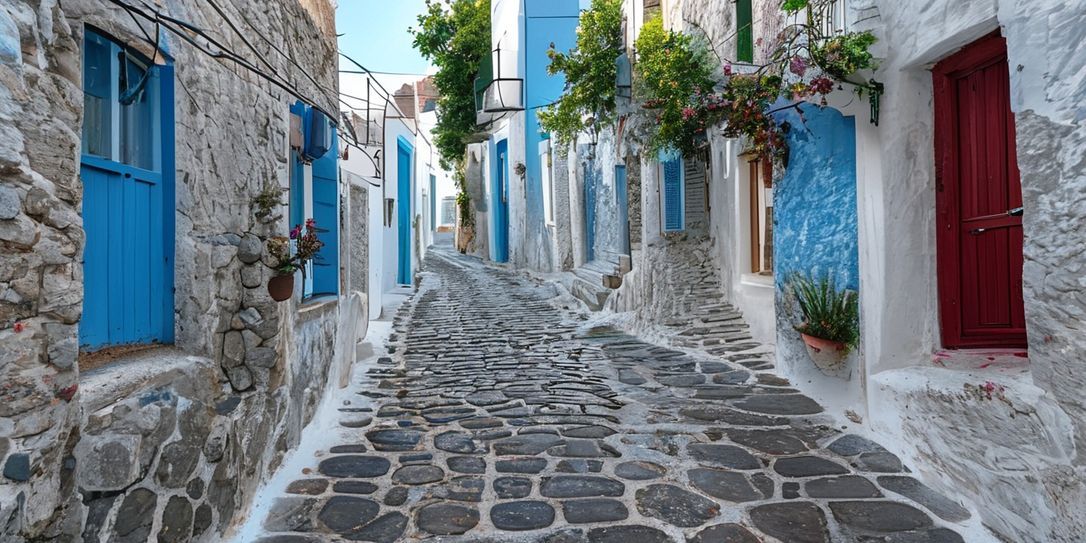
Tucked away in Santorini's interior, Megalochori represents traditional Cycladic life largely untouched by mass tourism. This 17th-century village features narrow cobblestone streets, traditional cave houses carved into volcanic rock, and the island's most authentic architecture. Unlike Oia's commercialized charm, Megalochori maintains its working village atmosphere where locals still gather in the central square for evening conversations.
The village's crown jewel is the Boutari Winery, housed in a traditional mansion where you can taste exceptional Assyrtiko wines while learning about volcanic viticulture. The nearby Gavalas Winery offers even more intimate experiences, with the owner personally guiding visitors through cellars carved into volcanic rock. Both provide superior wine experiences compared to the crowded tastings in Oia, with prices significantly lower and knowledge considerably deeper.
Vlychada Beach: Lunar Landscape by the Sea
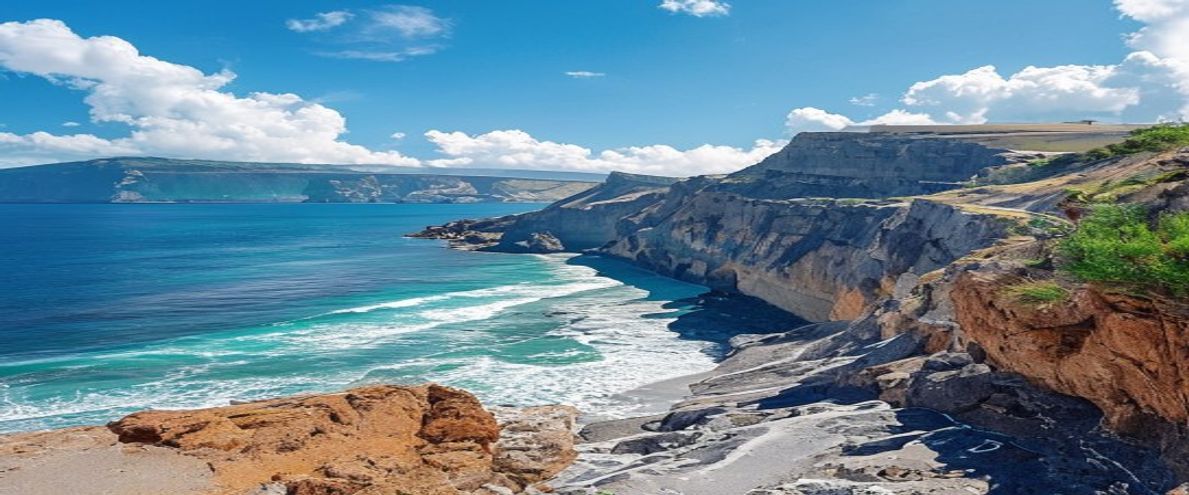
While tourists crowd Red Beach and Perissa, Vlychada Beach remains relatively unknown despite offering Santorini's most dramatic coastal scenery. Massive white and grey cliffs, sculpted by wind and sea into otherworldly formations, create a lunar landscape that photographers dream about. The beach's pumice sand and crystal-clear waters provide excellent swimming conditions, while the unique geological formations offer natural shade during midday heat.
The beach's remote location, accessible via a winding dirt road, deters casual visitors but rewards adventurous travelers with solitude and stunning natural beauty. Bring water and snacks, as facilities are minimal, but the trade-off is having one of Greece's most spectacular beaches largely to yourself. The sunset views from Vlychada rival those from Oia, without the crowds or inflated prices.
Profitis Ilias Monastery: Island's Highest Point
Perched 567 meters above sea level, the Profitis Ilias Monastery offers Santorini's most comprehensive panoramic views while remaining surprisingly uncrowded. This 18th-century monastery houses a small museum displaying religious artifacts, traditional costumes, and historical documents that provide insight into Santorini's cultural heritage beyond its volcanic fame.
The monastery's location provides 360-degree views encompassing the entire island, neighboring Cycladic islands, and on clear days, distant Crete. The peaceful atmosphere, combined with spectacular vistas, makes this an ideal spot for reflection and photography. Visit during late afternoon for optimal lighting, and consider combining your visit with exploration of nearby traditional villages like Pyrgos.
Akrotiri Archaeological Site: Pompeii of the Aegean
Often overshadowed by Santorini's natural beauty, the Akrotiri archaeological site preserves one of the Mediterranean's most significant Bronze Age settlements. This ancient Minoan city, buried by volcanic ash around 1600 BCE, offers remarkably preserved frescoes, multi-story buildings, and sophisticated urban planning that predates classical Greek civilization by over a millennium.
The site's modern protective canopy allows visitors to walk through ancient streets, observe advanced drainage systems, and admire colorful frescoes depicting dolphins, monkeys, and daily life scenes. Unlike crowded archaeological sites elsewhere in Greece, Akrotiri provides intimate encounters with ancient history, enhanced by excellent interpretive displays and knowledgeable guides who bring the ancient city to life.
Travel Advice
Timing and Seasonal Considerations
Santorini's hidden gems are best experienced during shoulder seasons (April-May and September-October) when weather remains pleasant but crowds diminish significantly. Early morning exploration (before 9 AM) and late afternoon adventures (after 4 PM) provide optimal conditions for discovering secret spots, as most tourists concentrate their activities during midday hours.
Winter visits (November-March) offer the most authentic experiences, with many hidden locations completely deserted and local life proceeding at its natural pace. While some restaurants and attractions close during winter months, the island's geological wonders, archaeological sites, and traditional villages remain accessible and infinitely more atmospheric without summer crowds.
Transportation and Access
Reaching Santorini's hidden gems requires reliable transportation, as public buses serve only major tourist areas. Renting a car or ATV provides freedom to explore remote beaches, mountain villages, and secret viewpoints at your own pace. Many hidden locations require short hikes or navigation of unpaved roads, making sturdy footwear and basic navigation skills essential.
Consider hiring local guides for archaeological sites and wine regions, as their knowledge transforms simple visits into educational experiences. Many hidden gems lack clear signage or tourist infrastructure, making local expertise invaluable for maximizing your discoveries while respecting private property and environmental sensitivities.
Cultural Etiquette and Local Interaction
Santorini's hidden gems often exist within working communities where respectful behavior ensures continued access for future visitors. Learn basic Greek greetings, dress modestly when visiting religious sites, and ask permission before photographing locals or private property. Supporting local businesses in lesser-known villages helps sustain these communities and maintains their authentic character.
Engage with local residents respectfully, as many hidden gems exist because locals have chosen to preserve them rather than commercialize them. Your behavior as a visitor directly impacts whether these special places remain accessible and authentic for future travelers seeking genuine cultural encounters.
Under-the-Radar Highlights
Volcanic Wine Trails
Santorini's volcanic soil produces unique wines impossible to replicate elsewhere, and the island's hidden wineries offer intimate tastings far superior to tourist-oriented venues. The Argyros Estate, tucked away near Episkopi, produces exceptional Assyrtiko wines using traditional methods passed down through generations. Their cellar tours reveal ancient techniques adapted to volcanic conditions, creating wines with distinctive mineral characteristics.
The Hatzidakis Winery, hidden in the village of Pyrgos, specializes in natural wines made from indigenous grape varieties. Owner Haridimos Hatzidakis personally conducts tastings, sharing stories about sustainable viticulture and the challenges of farming on volcanic soil. These intimate experiences provide deep insights into Santorini's wine culture while supporting family businesses that maintain traditional practices.
Secret Swimming Spots
Beyond famous beaches lie hidden coves and swimming spots known primarily to locals. Baxedes Beach, accessible via a challenging hike from Oia, offers pristine waters and dramatic cliff formations without any commercial development. The beach's isolation ensures solitude, while its unique geological features provide excellent snorkeling opportunities among volcanic rock formations.
Near Akrotiri, several unnamed coves provide excellent swimming conditions with crystal-clear waters and interesting underwater topography. These spots require local knowledge to access safely, making them perfect for adventurous travelers seeking authentic beach experiences away from organized tourism. Always inform someone of your plans when exploring remote coastal areas.
Traditional Crafts and Artisans
Santorini's artistic traditions extend beyond tourist souvenirs to authentic crafts practiced by local artisans. In Megalochori, traditional pottery workshops still create functional ceramics using techniques unchanged for centuries. These family-run studios welcome visitors interested in learning about traditional methods and purchasing authentic pieces directly from creators.
The village of Emporio houses several traditional workshops where locals create handwoven textiles, carved wooden items, and silver jewelry using traditional Cycladic designs. These artisans often work from their homes, creating opportunities for intimate cultural exchanges while supporting traditional crafts that might otherwise disappear under tourism pressure.
Culinary Hidden Gems
Santorini's best dining experiences often occur in family-run tavernas hidden in traditional villages rather than cliff-side restaurants with sunset views. To Psaraki in Vlychada serves exceptional seafood caught by the owner's fishing boat, prepared using traditional recipes passed down through generations. The restaurant's location near the hidden beach makes it perfect for combining authentic dining with off-the-beaten-path exploration.
In Megalochori, Raki Restaurant occupies a traditional mansion where the chef creates innovative dishes using local ingredients and traditional techniques. The intimate atmosphere, combined with exceptional food and reasonable prices, provides superior dining experiences compared to tourist-oriented establishments. Reservations are essential, as locals and knowledgeable visitors fill the limited seating quickly.
Conclusion
Exploring Santorini's hidden gems transforms a typical tourist visit into an authentic cultural journey. These lesser-known attractions offer profound insights into the island's true character, from ancient civilizations preserved in volcanic ash to traditional villages where Cycladic life continues unchanged. The best time to discover these secrets is during shoulder seasons (April-May and September-October) when pleasant weather combines with fewer crowds, allowing for more intimate experiences with local culture and natural beauty.
Santorini's hidden gems reveal an island far more complex and rewarding than its postcard image suggests. These secret spots provide opportunities for genuine cultural encounters, natural beauty without crowds, and authentic experiences that create lasting memories beyond typical tourist activities. By seeking out these lesser-known treasures, visitors contribute to sustainable tourism while discovering the real Santorini that exists beyond the Instagram facade.
Ready to explore more Greek island secrets? Discover our guides to hidden gems in Mykonos, Crete's undiscovered villages, or the lesser-known Cycladic islands that offer authentic Greek experiences without the crowds. Santorini's hidden treasures are just the beginning of Greece's endless capacity to surprise and delight adventurous travelers seeking authentic cultural encounters.