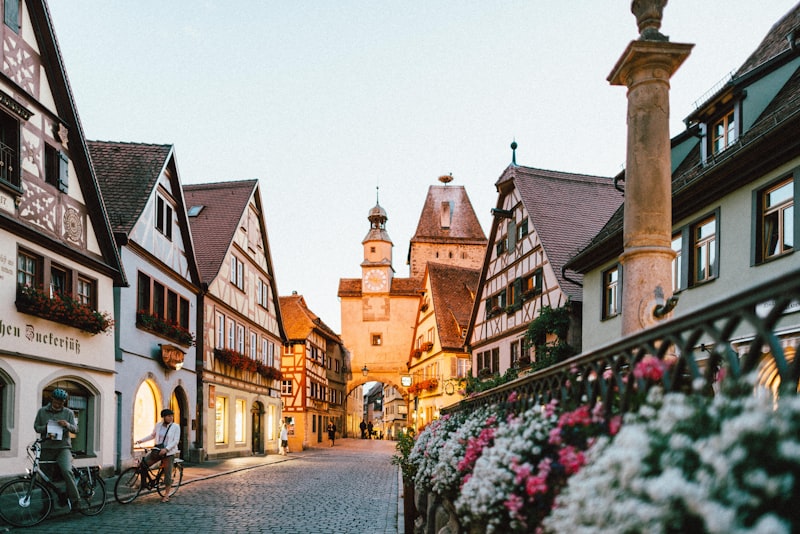
Off-Season Advantages and Disadvantages
Traveling to Europe during the off-season, typically from November through March excluding holiday periods, offers a dramatically different and often superior travel experience compared to peak summer months when popular destinations become overwhelmed with tourists and prices reach their annual peaks. Off-season travel provides opportunities to experience European destinations in their authentic, everyday context when local life proceeds without the disruptions and adaptations that mass tourism creates during peak periods. This authentic atmosphere allows visitors to observe genuine local culture, interact more meaningfully with residents, and appreciate destinations as living communities rather than tourist attractions.
The economic advantages of off-season European travel are substantial and multifaceted, extending beyond simple price reductions to encompass better value propositions across all travel categories. Accommodation prices can drop by 40-70% compared to peak season rates, while flights to European destinations often cost 30-50% less during off-season periods. These savings allow travelers to afford higher-quality accommodations, extend trip durations, or allocate more budget toward experiences and cultural activities that might be prohibitively expensive during peak season when all travel costs are elevated.
Cultural and social advantages of off-season travel include access to local events, festivals, and traditions that cater primarily to residents rather than tourists, providing insights into authentic European culture that peak-season visitors rarely experience. Museums, galleries, and cultural sites operate with more manageable visitor numbers, allowing for contemplative appreciation of art and history without the crowds and rushed atmosphere that characterize peak season visits. Restaurant reservations become easier to secure, service quality often improves due to reduced pressure on staff, and opportunities for meaningful interaction with locals increase significantly when destinations aren't overwhelmed with tourists.
Challenges and Limitations of Off-Season Travel
Weather conditions during European off-season can present significant challenges that require careful preparation and realistic expectations about outdoor activities and sightseeing opportunities. Northern European destinations experience substantial daylight reduction during winter months, with some locations receiving only 6-8 hours of daylight during December and January. This limited daylight requires adjusted daily schedules and realistic expectations about sightseeing capacity while creating opportunities for unique lighting conditions and atmospheric experiences unavailable during longer summer days.
Service availability and operational limitations during off-season periods can affect travel plans and require additional research and flexibility. Some accommodations close entirely during low season, while others offer reduced services or limited facilities. Restaurant and dining options may be restricted when establishments close for renovations or seasonal breaks, requiring advance research and reservation planning. Transportation services may operate on reduced schedules, and some tourist attractions may have limited hours or seasonal closures that affect itinerary planning.
Weather unpredictability and potential travel disruptions require flexible planning and appropriate preparation for changing conditions. Mountain and alpine regions require specialized equipment and safety considerations for winter conditions, while coastal areas may experience storms or rough weather that limit outdoor activities. These challenges, while manageable with proper preparation, require more extensive planning and flexibility than peak-season travel when weather conditions are generally more predictable and all services operate at full capacity.
Seasonal Activities
Winter Cultural Immersion
European winters offer unique cultural experiences that showcase the continent's rich traditions and seasonal celebrations in their most authentic contexts. Christmas markets throughout Germany, Austria, and Central Europe provide immersive experiences in traditional crafts, seasonal foods, and community celebrations that have evolved over centuries. These markets serve local communities first, with tourist participation welcomed but not essential to their existence, creating authentic cultural encounters that demonstrate European seasonal traditions and community life.
Winter festivals and celebrations across Europe provide opportunities to experience regional traditions that reflect local history, religious practices, and seasonal adaptations developed over generations. Carnival celebrations in Venice, Nice, and other European cities offer spectacular displays of traditional costumes, music, and community participation that demonstrate the continent's diverse cultural heritage. These events often involve entire communities in months of preparation and celebration, providing visitors with insights into European social structures and cultural values that extend far beyond tourist entertainment.
Indoor Cultural Activities
Museums, galleries, and cultural institutions across Europe provide exceptional off-season experiences with reduced crowds and enhanced opportunities for contemplative appreciation of art, history, and cultural heritage. Major museums like the Louvre, British Museum, and Prado offer more manageable visitor numbers during off-season periods, allowing for deeper engagement with collections and exhibitions without the rushed atmosphere of peak season visits. Special exhibitions and cultural programming often coincide with off-season periods when institutions can accommodate more extensive displays and educational programs.
Theater, opera, and musical performances reach their peak during European off-season when cultural institutions present their most ambitious productions and seasonal programming. Cities like Vienna, London, and Paris offer world-class performances during winter months when resident companies present full seasons of opera, ballet, and theatrical productions. These performances provide authentic cultural experiences that demonstrate European artistic traditions and contemporary cultural life while offering exceptional value compared to peak season entertainment options.
Seasonal Outdoor Activities
Winter sports and outdoor recreation provide unique opportunities to experience European landscapes and seasonal activities that showcase the continent's diverse geography and outdoor recreation traditions. Alpine skiing, cross-country skiing, and winter hiking offer access to European mountain regions during their most spectacular season while supporting local outdoor recreation businesses and communities. Thermal baths and spa facilities throughout Central and Eastern Europe provide authentic wellness experiences that combine natural resources with centuries of therapeutic tradition, offering particularly appealing experiences during winter when the contrast between cold air and warm water enhances therapeutic benefits.
Indoor cultural activities reach their peak during European winters when museums, galleries, theaters, and concert halls offer comprehensive programming designed for local audiences seeking cultural enrichment during darker months. Opera seasons, theater productions, and classical music performances provide world-class cultural experiences at venues with centuries of artistic tradition. These performances often feature local and regional artists alongside international talent, creating opportunities to experience European high culture in its historical and contemporary contexts.
Seasonal Outdoor Activities
Winter sports opportunities throughout the European Alps, Pyrenees, and Scandinavian regions provide access to world-class skiing, snowboarding, and winter recreation facilities that represent significant aspects of European mountain culture and outdoor recreation traditions. These activities offer opportunities to experience European mountain communities during their most active season when winter sports drive local economies and social life. Many mountain regions offer beginner-friendly options alongside challenging terrain, making winter sports accessible to travelers with various skill levels and interests.
Winter hiking and outdoor exploration provide unique perspectives on European landscapes transformed by seasonal changes, offering opportunities to experience natural beauty that differs dramatically from summer conditions. Snow-covered forests, frozen lakes, and winter wildlife create photographic and experiential opportunities unavailable during other seasons. Many European countries maintain extensive networks of winter hiking trails and outdoor recreation facilities that provide safe and accessible ways to experience winter landscapes while supporting local outdoor recreation economies.
Thermal springs and spa culture throughout Europe reach their peak appeal during winter months
when warm mineral waters provide relief from cold weather while offering opportunities to
experience traditional European wellness practices. Iceland's Blue Lagoon, Hungary's thermal
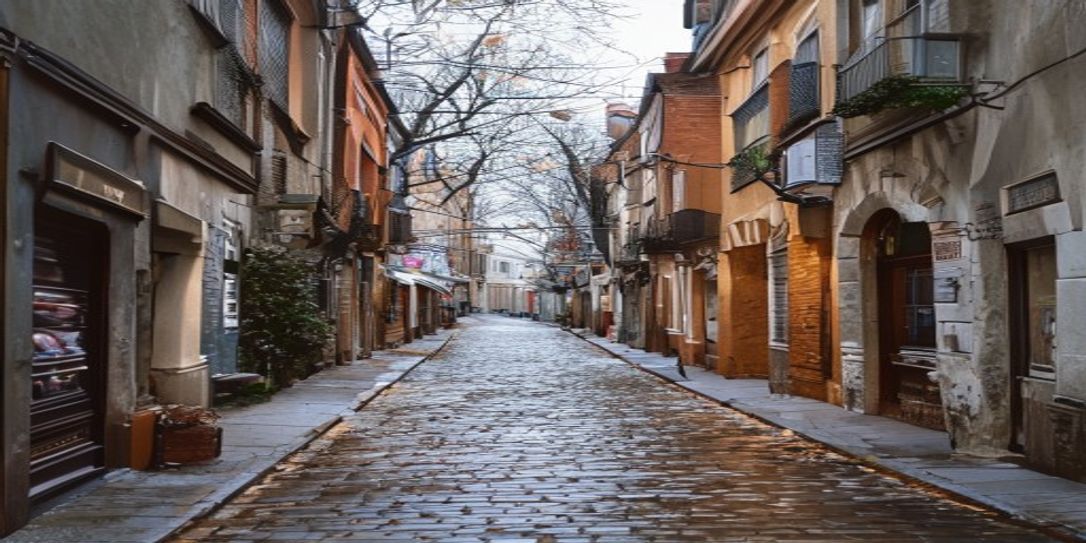
Travel Planning Recommendations
Weather Preparation and Expectations
European off-season weather varies dramatically by region and specific timing, requiring careful research and preparation to ensure appropriate clothing and realistic expectations for outdoor activities and sightseeing opportunities. Northern European destinations experience significant daylight reduction during winter months, with some locations receiving only 6-8 hours of daylight during December and January. This limited daylight requires adjusted daily schedules and realistic expectations about sightseeing capacity while creating opportunities for unique lighting conditions and atmospheric experiences unavailable during longer summer days.
Mediterranean Europe offers milder off-season weather that can be ideal for sightseeing and outdoor activities, though visitors should prepare for occasional rain and cooler temperatures than summer conditions. Cities like Rome, Barcelona, and Athens often experience pleasant weather during off-season months with fewer crowds and comfortable temperatures for walking and outdoor exploration. However, some coastal activities and beach-related attractions may have limited availability or seasonal closures that require advance research and flexible planning.
Accommodation and Service Planning
Off-season accommodation availability varies significantly between destinations and specific timing, with some properties closing entirely during low season while others offer reduced services or limited facilities. Researching accommodation policies and service availability prevents disappointment while ensuring that chosen properties meet travel needs and expectations. Many off-season accommodations offer enhanced personal service and attention due to reduced guest numbers, creating opportunities for more personalized experiences and local recommendations from staff with more time for guest interaction.
Transportation services may operate on reduced schedules during off-season periods, requiring advance planning and flexible scheduling to accommodate limited departure times and potential service interruptions. However, reduced passenger numbers often result in more comfortable travel conditions and opportunities for scenic route appreciation without crowded conditions. Many European transportation systems maintain reliable service throughout off-season periods while offering discounted fares and promotional packages that provide excellent value for flexible travelers.
Budget Optimization Strategies
Off-season booking strategies can maximize savings while ensuring availability of preferred accommodations and transportation options that may have limited capacity even during low season periods. Booking 2-3 months in advance often provides optimal balance between availability and pricing, allowing access to early booking discounts while avoiding last-minute price increases that can occur when limited off-season inventory sells out. Package deals and promotional offers become more attractive during off-season periods when tourism businesses seek to maintain revenue during traditionally slower periods.
Off-season savings on accommodation and transportation can be reallocated toward experiences, dining, and cultural activities that provide lasting memories and authentic local engagement. Investing savings in high-quality restaurants, cultural performances, and guided experiences often provides better overall value than spending the same budget on peak-season accommodation and transportation. Extended stay strategies take advantage of off-season pricing to afford longer trips that provide deeper destination immersion and better overall value per day.
Conclusion
Off-season travel to Europe presents an exceptional opportunity to experience the continent's authentic character while enjoying significant financial benefits and avoiding the overwhelming crowds that characterize peak summer months. The combination of reduced accommodation costs, discounted transportation, and enhanced cultural accessibility creates a travel experience that often surpasses peak-season visits in both quality and value. Weather challenges and limited service availability require careful planning and realistic expectations, but these minor inconveniences are typically outweighed by the authentic cultural immersion and exceptional savings that off-season travel provides.
Off-season travel to Europe offers transformative experiences that reveal the continent's authentic character beyond the tourist-focused atmosphere of peak summer months. The combination of substantial cost savings, reduced crowds, and unique seasonal experiences creates opportunities for deeper cultural engagement and more meaningful travel experiences that often exceed the quality of peak-season visits. The challenges of weather preparation and limited service availability are typically outweighed by the benefits of authentic cultural immersion and exceptional value that off-season travel provides.
Ready to discover Europe's off-season treasures? Explore our comprehensive guides to European winter festivals, off-season accommodation strategies, or destination-specific off-season planning tips. Europe's off-season offers incredible opportunities for authentic cultural experiences, substantial savings, and unique seasonal adventures that showcase the continent's diverse heritage and contemporary culture in their most genuine contexts.